

IPS Global Solutions INC (DBA IPspeedy)
Your Trusted Worldwide IP Partner
 English
-
 中文
中文 -
English


Country/Region: Australia
Competent Authority: IP Australia
Official Website: https://www.ipaustralia.gov.au
Eligible Applicants: Australian enterprises; foreign enterprises; individual applicants;
*Foreign applicants are generally required to submit applications through a local agent.
Classification System: Australia uses the Nice Classification (45 classes in total); multi-class applications are permitted.
Required Application Materials:
Generally, the following information is required:
Trademark representation (image);
Applicant's name and address;
Classes of goods or services;
Registration Timeline: Approximately 7–9 months to complete registration.
Validity Period: 10 years (calculated from the date of registration); renewable every 10 years, with no limit on the number of renewals.
News

USPTO's PTAB Rulemaking Signals a Major Shift in Inter Partes Review Practice
2026-08-06 09:01:53
Click:
On August 3, 2026, K&L Gates reported that the U.S. Patent and Trademark Office's final rule 'Revision to Rules of Practice Before the Patent Trial and Appeal Board' (published in the rulemaking docket at 90 FR 48335, RIN 0651-AD89) has completed review by the Office of Information and Regulatory Affairs under Executive Order 12866 — the final procedural step before publication in the Federal Register. The rule is expected to reshape inter partes review (IPR) practice before the Patent Trial and Appeal Board (PTAB).
The rulemaking began on October 17, 2025, when USPTO Director John A. Squires issued a notice of proposed rulemaking that would significantly limit the availability of IPR proceedings where parallel district court litigation has already progressed. The proposal drew an extraordinary response: approximately 11,442 public comments, reflecting intense interest from patent owners, accused infringers, technology companies and the pharmaceutical sector.
Under the proposed framework, petitioners would face new stipulation requirements and discretionary-denial considerations tied to the status of co-pending litigation, including the 'settled expectations' of patent owners. The policy intent, according to the USPTO, is to reduce duplicative proceedings between the PTAB and the federal courts, lower the cost of resolving patent disputes, and increase the predictability and reliability of issued patent rights.
Practitioners note that once the final rule takes effect, accused infringers will need to decide much earlier whether to pursue validity challenges at the PTAB or in court, and patent owners may regain leverage in litigation strategy. Companies with active IPR dockets are advised to review pending and planned petitions against the new criteria, since petitions filed after a district court case is well advanced may no longer be entertained.
The rulemaking is the most consequential PTAB reform since the America Invents Act created the IPR system, and commentators expect legal challenges and further guidance from the Office once the final text is published. Observers will also watch how the new rules interact with the PTAB's existing discretionary-denial jurisprudence developed under the Fintiv framework.
Original Link: https://www.iplawwatch.com/2026/08/03/usptos-ptab-rulemaking-signals-a-major-shift-in-ipr-practice/
Author:
Jason Engel and Erik
From:
K&L Gates — IP Law Watch
新闻推荐
recommendation




Article recommendation
-
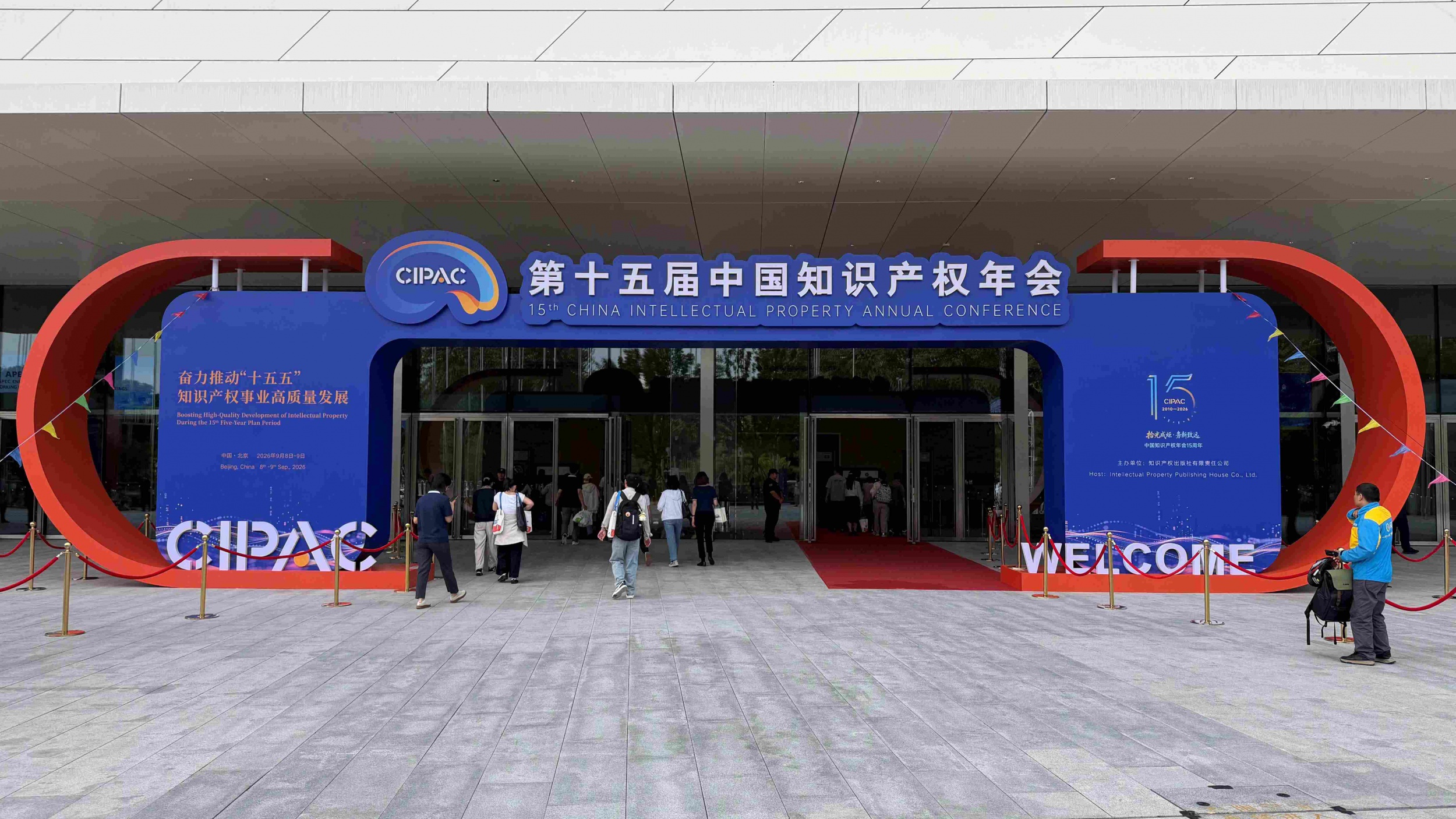
top Linking the Globe, Empowering Peers | IPspeedy Attends the 15th Intellectual Property Annual Conference
-
Insight into FTO · Safeguarding Innovation Going Global | IPspeedy Offline Salon Successfully Concluded
-
UPC Unfiltered, by Willem Hoyng – UPC Decisions Week 37, 2026
-
USPTO Pivot on PTAB Oversight Raises Questions About PTAB Control


Top
Book Your Free Consultation


Phone / WhatsApp / WeChat

Room 220, 2nd Floor, Building E Bantian International Center
Huancheng South Road, Bantian Street Longgang District, Shenzhen, China
Talk to us
Clarify your questions or request a quote regarding our services. Please fill out the form, and you will be contacted soon.

IPS Global Solutions INC (DBA IPspeedy)
Your Trusted Worldwide IP Partner
Copyright © 2026 Pengzhiyun Intellectual Property
IPspeedy is the international operating name of Pengzhiyun Intellectual Property.
Pengzhiyun Intellectual Property
Action builds careers; sharing creates the future.


Follow Our TikTok
✅ Real case victories and success stories
✅ Latest IP market trends and analysis
✅ Practical knowledge and industry updates
Scan to stay informed and ahead of the curve.
Follow Our TikTok
✅ Real case victories and success stories
✅ Latest IP market trends and analysis
✅ Practical knowledge and industry updates
Scan to stay informed and ahead of the curve.
Copyright © 2026 Pengzhiyun Intellectual Property
IPspeedy is the international operating name of Pengzhiyun Intellectual Property.
