

IPS Global Solutions INC (DBA IPspeedy)
Your Trusted Worldwide IP Partner
 English
-
 中文
中文 -
English


Country/Region: Australia
Competent Authority: IP Australia
Official Website: https://www.ipaustralia.gov.au
Eligible Applicants: Australian enterprises; foreign enterprises; individual applicants;
*Foreign applicants are generally required to submit applications through a local agent.
Classification System: Australia uses the Nice Classification (45 classes in total); multi-class applications are permitted.
Required Application Materials:
Generally, the following information is required:
Trademark representation (image);
Applicant's name and address;
Classes of goods or services;
Registration Timeline: Approximately 7–9 months to complete registration.
Validity Period: 10 years (calculated from the date of registration); renewable every 10 years, with no limit on the number of renewals.
News

Munich Regional Court Stops Suno Using GEMA-Protected Music, in First European Ruling on Generative Music AI
2026-08-06 09:09:04
Click:
On July 31, 2026, the Regional Court of Munich I handed down its decision in the dispute between German collecting society GEMA and Suno AI, the US provider of an AI tool that generates complete, playable songs from simple text prompts. The 42nd Civil Chamber, which specializes in copyright law, ruled under presiding judge Elke Schwager in favor of GEMA (case ID: 42 O 763/25). Coverage and analysis of the decision — the first European court ruling on generative music AI — continued through the week of August 3.
GEMA brought the action in January 2025, asserting claims on behalf of the composers of six well-known musical works: 'Forever Young' and 'Big in Japan' (Marian Gold, Bernhard Lloyd and Frank Mertens), 'Mambo No. 5' (David Lubega and Christian Pletschacher), 'Daddy Cool' (Frank Farian), 'Rasputin' (Frank Farian, Fred Jay and George Reyam) and 'Atemlos' (Kristina Bach). It was undisputed that Suno's model was trained using the six works; according to the court, Suno used 'stream-ripping' techniques to extract the works from YouTube, circumventing the platform's 'rolling cipher' technical protection measure.
The court ordered Suno to cease the unauthorized reproduction of the protected works and to stop using them to train the AI model, to disclose information on revenue generated in connection with the infringements, and to pay damages in an amount yet to be determined. Central to the ruling is the finding of 'memorisation': the works were effectively stored within the AI models, hosted on servers in Germany, and the similarities between the originals and AI-generated outputs were too extensive and specific to be coincidental. The court also held Suno — not its users — responsible for infringing outputs, and found that merely making the model available to the public infringes the right of communication to the public under German law.
The court rejected Suno's defenses. It found the text-and-data-mining exception inapplicable because the works were not merely analyzed but retained in reproducible form. For copying during training in the United States, the court applied US copyright law and held the fair use doctrine did not protect Suno, distinguishing the Bartz and Kadrey decisions — where training was found to be fair use largely because outputs did not reproduce the originals — since here simple prompts yielded outputs substantially similar to the protected works. German courts had jurisdiction over the US-based training acts under a special venue rule in Germany's Collecting Societies Act.
The judgment is not yet enforceable, and Suno has said it will explore all options including an appeal. The case is GEMA's second AI victory in Munich after its November 2025 win against OpenAI over song lyrics. GEMA, which represents around 103,000 members, says it seeks partnership-based solutions with AI companies; Suno entered a licensing partnership with Warner Music at the end of 2025. GEMA was represented by Raue (Robert Heine leading), and Suno by Latham & Watkins (Anne Loehner leading).
Original Link: https://www.juve-patent.com/cases/munich-regional-court-stops-suno-using-gema-protected-music/
新闻推荐
recommendation




Article recommendation
-
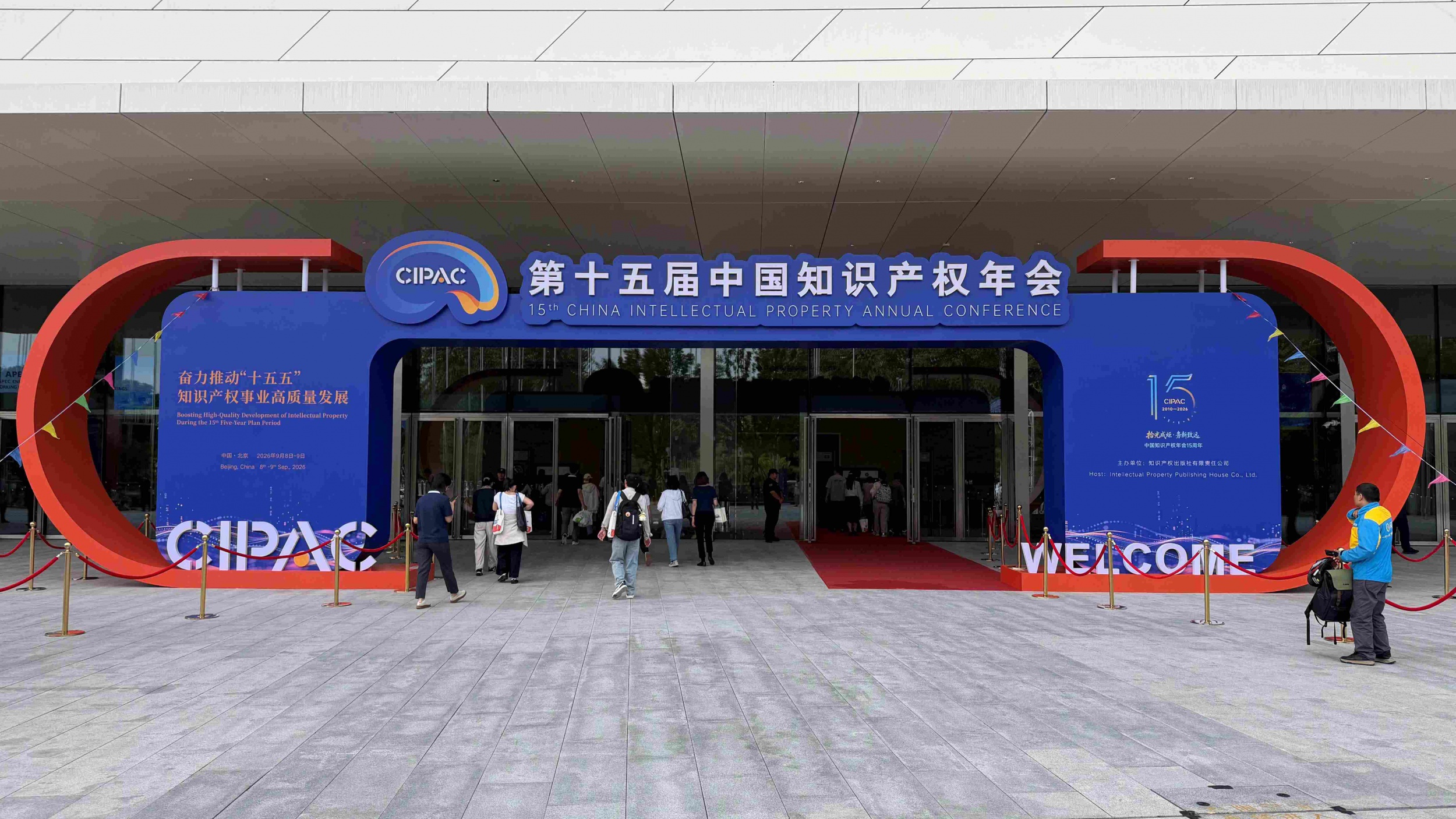
top Linking the Globe, Empowering Peers | IPspeedy Attends the 15th Intellectual Property Annual Conference
-
Insight into FTO · Safeguarding Innovation Going Global | IPspeedy Offline Salon Successfully Concluded
-
UPC Unfiltered, by Willem Hoyng – UPC Decisions Week 37, 2026
-
USPTO Pivot on PTAB Oversight Raises Questions About PTAB Control


Top
Book Your Free Consultation


Phone / WhatsApp / WeChat

Room 220, 2nd Floor, Building E Bantian International Center
Huancheng South Road, Bantian Street Longgang District, Shenzhen, China
Talk to us
Clarify your questions or request a quote regarding our services. Please fill out the form, and you will be contacted soon.

IPS Global Solutions INC (DBA IPspeedy)
Your Trusted Worldwide IP Partner
Copyright © 2026 Pengzhiyun Intellectual Property
IPspeedy is the international operating name of Pengzhiyun Intellectual Property.
Pengzhiyun Intellectual Property
Action builds careers; sharing creates the future.

Follow Our TikTok
✅ Real case victories and success stories
✅ Latest IP market trends and analysis
✅ Practical knowledge and industry updates
Scan to stay informed and ahead of the curve.
Follow Our TikTok
✅ Real case victories and success stories
✅ Latest IP market trends and analysis
✅ Practical knowledge and industry updates
Scan to stay informed and ahead of the curve.
Copyright © 2026 Pengzhiyun Intellectual Property
IPspeedy is the international operating name of Pengzhiyun Intellectual Property.
