

IPS Global Solutions INC (DBA IPspeedy)
Your Trusted Worldwide IP Partner
 English
-
 中文
中文 -
English


Country/Region: Australia
Competent Authority: IP Australia
Official Website: https://www.ipaustralia.gov.au
Eligible Applicants: Australian enterprises; foreign enterprises; individual applicants;
*Foreign applicants are generally required to submit applications through a local agent.
Classification System: Australia uses the Nice Classification (45 classes in total); multi-class applications are permitted.
Required Application Materials:
Generally, the following information is required:
Trademark representation (image);
Applicant's name and address;
Classes of goods or services;
Registration Timeline: Approximately 7–9 months to complete registration.
Validity Period: 10 years (calculated from the date of registration); renewable every 10 years, with no limit on the number of renewals.
News

Kenya Advances First National Intellectual Property Policy and Strategy as Public Participation Closes
2026-08-07 09:00:00
Click:
The Ministry of Investments, Trade and Industry has intensified public consultations on the National Intellectual Property Policy and Strategy (NIPPS) 2026, the Government of Kenya's official weekly MyGov reported on August 4, 2026. Officials met stakeholders in the North Rift town of Eldoret, in Nyeri and in Embu to gather views before the policy is presented to Cabinet and Parliament. Public participation on the draft formally closed on July 31, 2026, completing the consultation phase of what is Kenya's third attempt — after drafts in 2007 and 2012 were never formally adopted — to establish a national IP policy.
If passed, the NIPPS will enable the government to harness intellectual property as a core driver of innovation, creativity, market competitiveness and sustainable economic growth. Speaking during the Eldoret forum, Anti-Counterfeit Authority (ACA) Executive Director Dr. Robi King'a said the exercise ensures the proposed policy reflects the views of Kenyans in line with the constitutional requirement for public participation before any legislation or policy is adopted. He noted that Article 40(5) of the Constitution of Kenya 2010 obliges the state to promote and protect intellectual property rights, and that the policy will provide a clear framework for implementing that obligation while safeguarding the rights of innovators, creators and inventors.
The policy has been developed jointly by the Ministry and its affiliated agencies, including the ACA, the Kenya Copyright Board (KECOBO), the Kenya Industrial Property Institute (KIPI), the National Research Fund and the Kenya National Innovation Agency. Today those responsibilities are fragmented: copyright sits with KECOBO, patents, trademarks and industrial designs with KIPI, plant breeders' rights with the Kenya Plant Health Inspectorate Service, and counterfeit enforcement with the ACA. The draft does not propose new agencies but seeks to coordinate the existing institutions under one national framework covering copyright, patents, trademarks, industrial designs, geographical indications, plant breeders' rights, trade secrets and traditional knowledge.
Officials cited sobering statistics behind the reform. Data from KIPI show patent applications by Kenyan residents average fewer than 200 annually, while utility models, industrial designs and trademarks remain under-utilized despite a dynamic entrepreneurial and creative base. A Kenya National Bureau of Statistics survey found that more than 70 percent of micro, small and medium enterprises operate without awareness of IP rights, and the country spends less than one percent of GDP on research. The ACA has estimated that counterfeit goods account for over 10 percent of the Kenyan market, causing substantial annual losses while undermining legitimate businesses and endangering public health.
'We have so many innovations and inventions but we rarely benefit from them — they are pirated and taken away while innovators wallow in poverty,' Industrialization Secretary Prof. Erastus Gatebe said in Nyeri. 'To put our mark in the global market, promote exports, manufacturing and trade, we must have this policy.' Key proposals include stronger IP safeguards for the creative industry and protection of indigenous knowledge. After public views are incorporated, the final draft will undergo Cabinet approval before being tabled in Parliament.
Original Link: https://www.gaa.go.ke/sites/default/files/2026-08/MyGov%20August%2C%204%20%202026.pdf
Author:
Ekuwam Sylvester and
From:
MyGov (Government of Kenya official weekly) / Kenya News Agency
新闻推荐
recommendation




Article recommendation
-
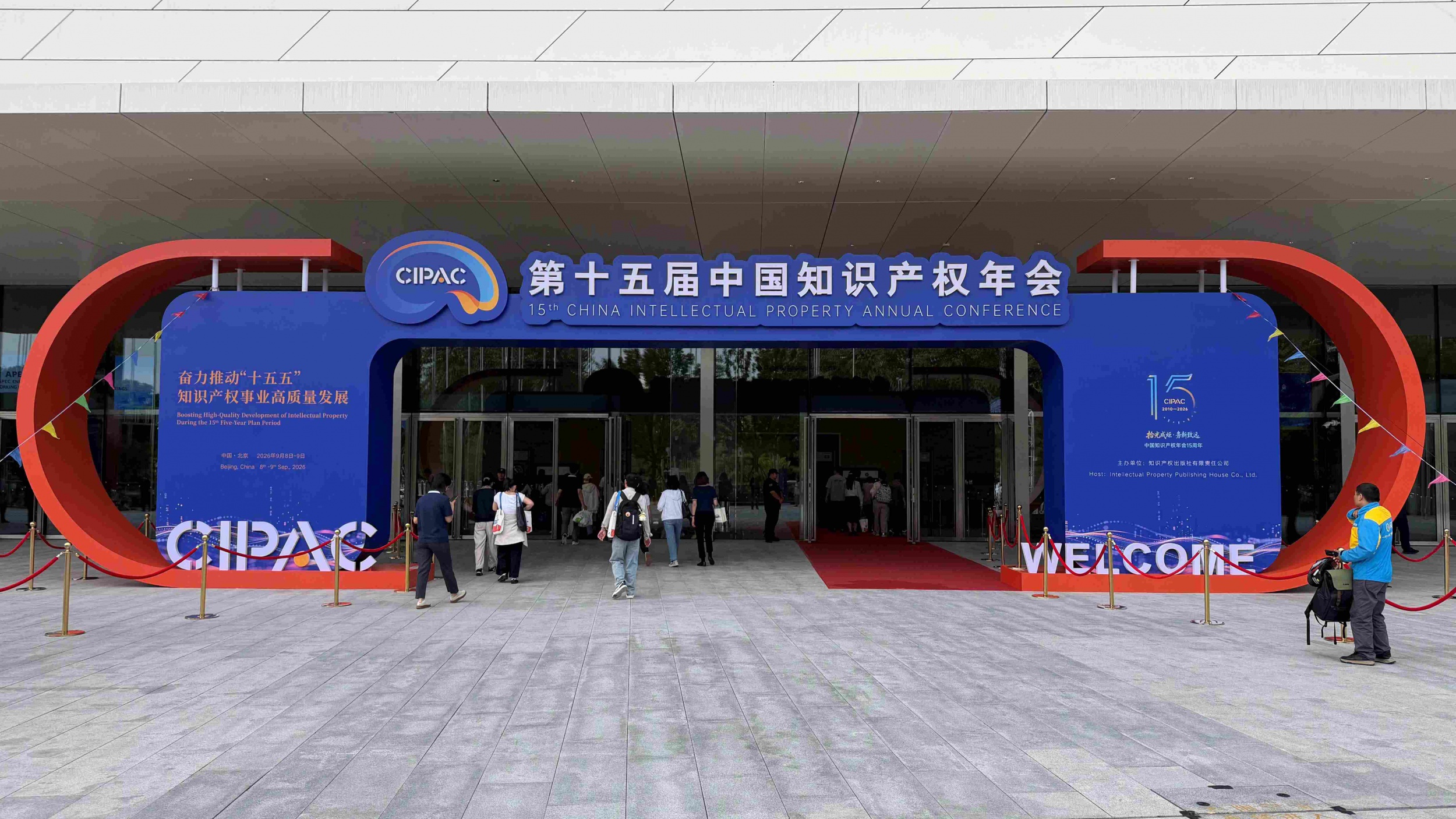
top Linking the Globe, Empowering Peers | IPspeedy Attends the 15th Intellectual Property Annual Conference
-
Insight into FTO · Safeguarding Innovation Going Global | IPspeedy Offline Salon Successfully Concluded
-
UPC Unfiltered, by Willem Hoyng – UPC Decisions Week 37, 2026
-
USPTO Pivot on PTAB Oversight Raises Questions About PTAB Control


Top
Book Your Free Consultation


Phone / WhatsApp / WeChat

Room 220, 2nd Floor, Building E Bantian International Center
Huancheng South Road, Bantian Street Longgang District, Shenzhen, China
Talk to us
Clarify your questions or request a quote regarding our services. Please fill out the form, and you will be contacted soon.

IPS Global Solutions INC (DBA IPspeedy)
Your Trusted Worldwide IP Partner
Copyright © 2026 Pengzhiyun Intellectual Property
IPspeedy is the international operating name of Pengzhiyun Intellectual Property.
Pengzhiyun Intellectual Property
Action builds careers; sharing creates the future.

Follow Our TikTok
✅ Real case victories and success stories
✅ Latest IP market trends and analysis
✅ Practical knowledge and industry updates
Scan to stay informed and ahead of the curve.
Follow Our TikTok
✅ Real case victories and success stories
✅ Latest IP market trends and analysis
✅ Practical knowledge and industry updates
Scan to stay informed and ahead of the curve.
Copyright © 2026 Pengzhiyun Intellectual Property
IPspeedy is the international operating name of Pengzhiyun Intellectual Property.
