

IPS Global Solutions INC (DBA IPspeedy)
Your Trusted Worldwide IP Partner
 English
-
 中文
中文 -
English


Country/Region: Australia
Competent Authority: IP Australia
Official Website: https://www.ipaustralia.gov.au
Eligible Applicants: Australian enterprises; foreign enterprises; individual applicants;
*Foreign applicants are generally required to submit applications through a local agent.
Classification System: Australia uses the Nice Classification (45 classes in total); multi-class applications are permitted.
Required Application Materials:
Generally, the following information is required:
Trademark representation (image);
Applicant's name and address;
Classes of goods or services;
Registration Timeline: Approximately 7–9 months to complete registration.
Validity Period: 10 years (calculated from the date of registration); renewable every 10 years, with no limit on the number of renewals.
News

Pleading Licensee Marking After VDPP v. Volkswagen: Settlement Licensees Must Mark, and the Patentee Must Plead Its Efforts to Make Them
2026-08-21 11:49:14
Click:
The U.S. Court of Appeals for the Federal Circuit has affirmed the dismissal of a patent infringement complaint because the patentee — VDPP, LLC, a non-practicing entity holding eleven settlement licenses — failed to plead compliance with the patent marking statute, Dennis Crouch reported on Patently-O. In VDPP, LLC v. Volkswagen Group of America, Inc., No. 2024-2226 (Fed. Cir. Aug. 19, 2026), a precedential opinion authored by Chief Judge Moore, the court also affirmed a $207,543.60 attorney fee award to Volkswagen and dismissed, for want of appellate jurisdiction, the portion of the appeal contesting sanctions against VDPP's counsel, William Ramey.
VDPP sued Volkswagen in the U.S. District Court for the Southern District of Texas over U.S. Patent No. 9,426,452, relating to 'electrically controlled spectacles.' Because the patent had expired, the only potential remedy was back damages. Under 35 U.S.C. § 286, up to six years of back damages are generally available, but § 287(a) limits recovery: a patentee who makes or sells patented articles — or licenses others to do so — must mark those articles with the patent number, and without marking, damages run only from actual notice to the accused infringer.
VDPP practiced nothing itself and so had nothing to mark, but it had licensed the asserted patent to eleven settling defendants, and its proposed amended complaint said nothing about whether any of them required marking or actually marked. Under Arctic Cat Inc. v. Bombardier Recreational Products Inc. (Fed. Cir. 2020), a patentee's licensees must comply with § 287 as well, and the patentee must make reasonable efforts to see that they do. VDPP argued its settlement agreements were different because none of its licensees admitted infringement, but the court held its precedent 'suggests there is no difference between a license entered into under a settlement agreement and any other patent license agreement.'
The panel refused leave to amend as futile: 'we see no way for VDPP to amend its complaint to plausibly allege it made reasonable efforts to ensure its licensees complied with 35 U.S.C. § 287.' The court added: 'While we do not foreclose the possibility that a licensor can ever establish it made reasonable efforts to ensure licensee compliance with 35 U.S.C. § 287 in the absence of a marking obligation, that is certainly not the case here.' VDPP had also implicitly agreed not to amend its complaint in exchange for Volkswagen's consent to an extension of time.
On fees, the Federal Circuit agreed the case was exceptional, citing frivolous and objectively unreasonable positions — seeking future damages and an injunction on an expired patent, seeking past damages despite an inability to allege marking, failing to disclose the settlement agreements, and prolonging the litigation with false statements about them — as well as a pattern of repeat lawsuits over the same patent with settlement demands below the cost of defense. The sanctions issue failed on jurisdictional grounds because Ramey had not timely appealed in his own name. The practical lesson for patent owners and NPEs: include marking obligations in settlement licenses and be prepared to plead reasonable efforts to ensure compliance.
Original Link: https://patentlyo.com/patent/2026/08/pleading-licensee-marking-after-vdpp-v-volkswagen.html
新闻推荐
recommendation




Article recommendation
-
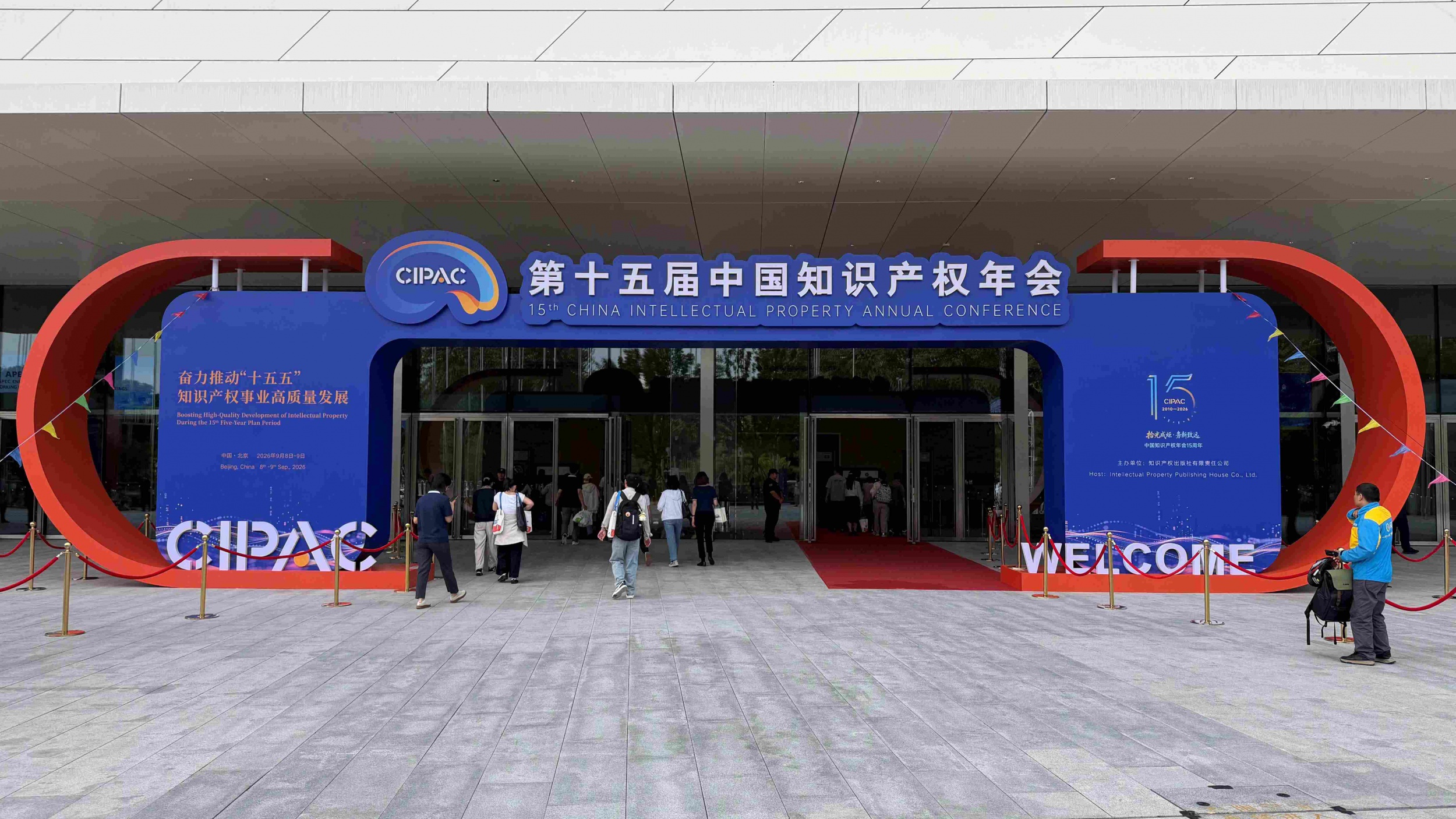
top Linking the Globe, Empowering Peers | IPspeedy Attends the 15th Intellectual Property Annual Conference
-
UPC Unfiltered, by Willem Hoyng – UPC Decisions Week 39, 2026
-
Senate IP Subcommittee Focuses on Fee-Setting, PTAB Rule in USPTO Oversight Hearing
-
Fuzhou Releases 15th Five-Year Plan for IP Protection and Utilization, Targeting an IP-Strong City by 2030

Top
Book Your Free Consultation


Phone / WhatsApp / WeChat

Room 220, 2nd Floor, Building E Bantian International Center
Huancheng South Road, Bantian Street Longgang District, Shenzhen, China
Talk to us
Clarify your questions or request a quote regarding our services. Please fill out the form, and you will be contacted soon.

IPS Global Solutions INC (DBA IPspeedy)
Your Trusted Worldwide IP Partner
Copyright © 2026 Pengzhiyun Intellectual Property
IPspeedy is the international operating name of Pengzhiyun Intellectual Property.
Pengzhiyun Intellectual Property
Action builds careers; sharing creates the future.


Follow Our TikTok
✅ Real case victories and success stories
✅ Latest IP market trends and analysis
✅ Practical knowledge and industry updates
Scan to stay informed and ahead of the curve.
Follow Our TikTok
✅ Real case victories and success stories
✅ Latest IP market trends and analysis
✅ Practical knowledge and industry updates
Scan to stay informed and ahead of the curve.
Copyright © 2026 Pengzhiyun Intellectual Property
IPspeedy is the international operating name of Pengzhiyun Intellectual Property.
