

IPS Global Solutions INC (DBA IPspeedy)
Your Trusted Worldwide IP Partner

Country/Region: Australia
Competent Authority: IP Australia
Official Website: https://www.ipaustralia.gov.au
Eligible Applicants: Australian enterprises; foreign enterprises; individual applicants;
*Foreign applicants are generally required to submit applications through a local agent.
Classification System: Australia uses the Nice Classification (45 classes in total); multi-class applications are permitted.
Required Application Materials:
Generally, the following information is required:
Trademark representation (image);
Applicant's name and address;
Classes of goods or services;
Registration Timeline: Approximately 7–9 months to complete registration.
Validity Period: 10 years (calculated from the date of registration); renewable every 10 years, with no limit on the number of renewals.
News

UPC Unfiltered, by Willem Hoyng – UPC Decisions Week 34, 2026
2026-08-28 08:40:32
Click:
In 'UPC Unfiltered' for week 34 of 2026, published August 24, Willem Hoyng of Hoyng Rokh Monegier reviews the latest decisions of the Unified Patent Court, led by the Court of Appeal's August 21 ruling in SharkNinja v SEB (UPC_CoA_61/2026). SharkNinja had sued SEB in preliminary injunction proceedings before the Paris Local Division over EP 3 689 198, directed to a cooking device integrating air-frying and conductive cooking modes in a single user-friendly appliance. After SharkNinja withdrew a second patent, the Paris division held it more likely than not that the remaining patent was invalid for lack of novelty. The Court of Appeal reversed.
On appeal, the Court of Appeal declined to consider arguments and evidence raised late at first instance or for the first time on appeal, and interpreted claim element 1.2 — 'a first lid adapted to cover said opening' — refusing to read in a limitation that the lid be attached to the hollow chamber, particularly since another claim required exactly that. Rejecting the narrower construction adopted in Paris, the court granted SharkNinja the preliminary injunction. Hoyng's commentary underscores the UPC's front-loaded character: parties must do their thinking before proceedings begin, because late arguments and late evidence are routinely refused.
The same week, in Windhager v bellissa HAAS (UPC_CoA_894/2025), the Court of Appeal dismissed an appeal as inadmissible because the statement of appeal — and a request for suspensive effect — had been filed without an electronic signature, breaching R. 4.1 of the Rules of Procedure, which guarantees document authenticity; filings without an electronic signature are treated as not having taken place. Hoyng calls the decision a strong warning to representatives: always file with an electronic signature, follow up on registry suggestions, and never file minutes before a deadline.
In Lepu v Occlutech (UPC_CoA_87/2026), the Court of Appeal dismissed Lepu's appeal against a penalty order of EUR 58,000 plus EUR 1,500 per day for non-compliance with a PI order covering an implantable occlusion device, reiterating its Kodak v Fujifilm principles: a party remains responsible for compliance even when using third parties, offering products online can itself violate the order, and penalties are coercive and punitive. Finally, in ALD v Nanoval, the Central Division in Paris granted a 50% refund of court fees after the claimant withdrew its revocation action — Hoyng noting his sympathy for the argument that the Court of Appeal was wrong to apply the new fee structure to all refund requests submitted after January 1, 2026, a fee-policy question now settled in favor of the court's finances.
Original Link: https://www.hoyngrokhmonegier.com/news-insights/detail/upc-unfiltered-by-willem-hoyng-upc-decisions-week-34-2026
新闻推荐
recommendation
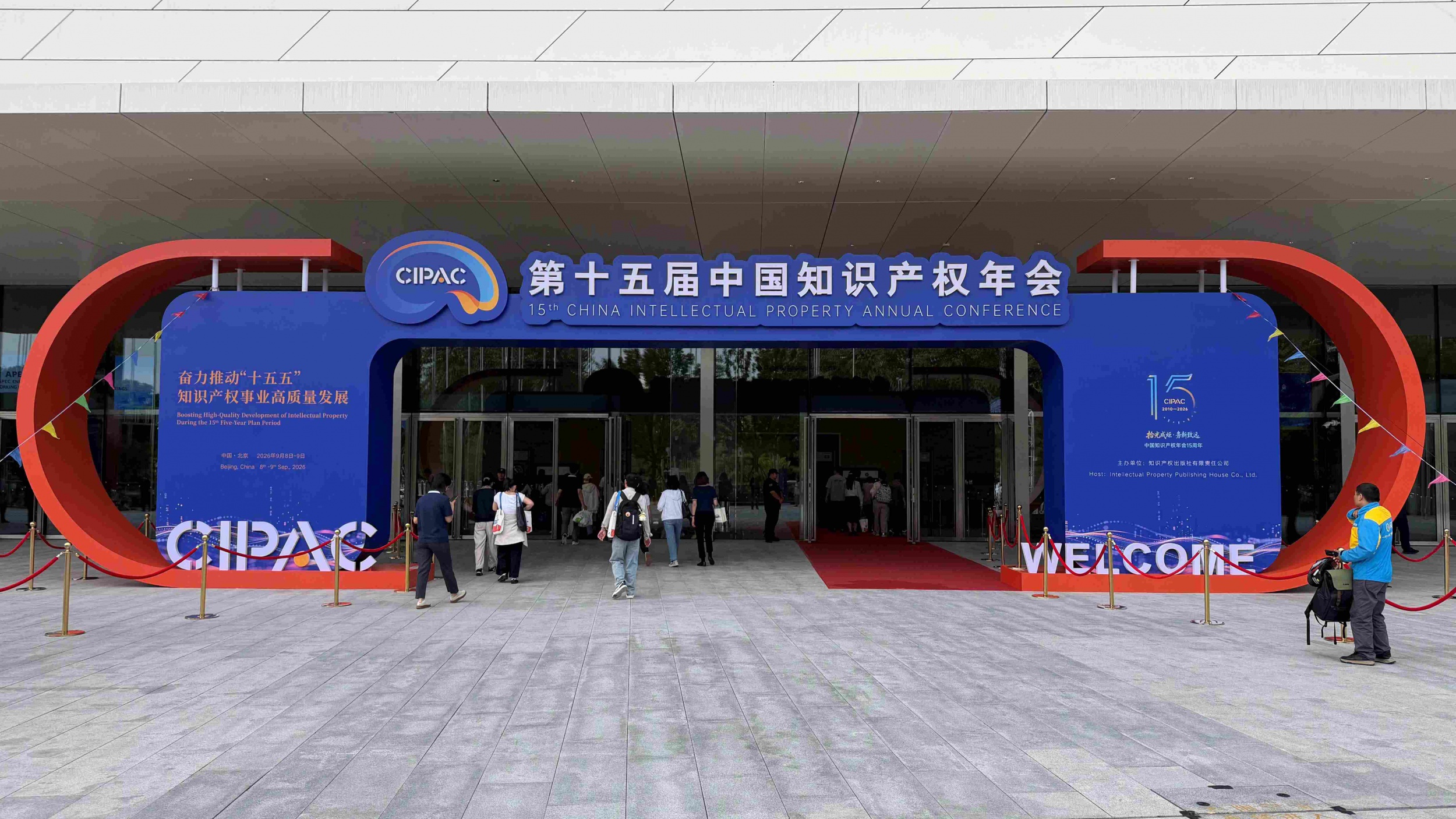




Article recommendation
-

top Linking the Globe, Empowering Peers | IPspeedy Attends the 15th Intellectual Property Annual Conference
-
Planning to Protect Your Invention Abroad? Join WIPO's Free PCT Training for Innovators Across Tamil Nadu
-
Current Account Becomes WIPO Wallet
-
UPC Unfiltered, by Willem Hoyng - UPC Decisions Week 40, 2026

Top
Book Your Free Consultation


Phone / WhatsApp / WeChat

Room 220, 2nd Floor, Building E Bantian International Center
Huancheng South Road, Bantian Street Longgang District, Shenzhen, China
Talk to us
Clarify your questions or request a quote regarding our services. Please fill out the form, and you will be contacted soon.

IPS Global Solutions INC (DBA IPspeedy)
Your Trusted Worldwide IP Partner
Copyright © 2026 Pengzhiyun Intellectual Property
IPspeedy is the international operating name of Pengzhiyun Intellectual Property.
Pengzhiyun Intellectual Property
Action builds careers; sharing creates the future.

Follow Our TikTok
✅ Real case victories and success stories
✅ Latest IP market trends and analysis
✅ Practical knowledge and industry updates
Scan to stay informed and ahead of the curve.
Follow Our TikTok
✅ Real case victories and success stories
✅ Latest IP market trends and analysis
✅ Practical knowledge and industry updates
Scan to stay informed and ahead of the curve.
Copyright © 2026 Pengzhiyun Intellectual Property
IPspeedy is the international operating name of Pengzhiyun Intellectual Property.
