

IPS Global Solutions INC (DBA IPspeedy)
Your Trusted Worldwide IP Partner

Country/Region: Australia
Competent Authority: IP Australia
Official Website: https://www.ipaustralia.gov.au
Eligible Applicants: Australian enterprises; foreign enterprises; individual applicants;
*Foreign applicants are generally required to submit applications through a local agent.
Classification System: Australia uses the Nice Classification (45 classes in total); multi-class applications are permitted.
Required Application Materials:
Generally, the following information is required:
Trademark representation (image);
Applicant's name and address;
Classes of goods or services;
Registration Timeline: Approximately 7–9 months to complete registration.
Validity Period: 10 years (calculated from the date of registration); renewable every 10 years, with no limit on the number of renewals.
News

Commenters Split on USPTO Proposal to Require RPI Disclosure for Reexams
2026-08-27 16:58:26
Click:
Following the U.S. Patent and Trademark Office's (USPTO's) July 2026 proposal to require third-party requesters for ex parte reexamination (EPR) to identify all real parties in interest (RPIs), the 26 comments submitted to the Office reveal a sharp divide among the patent owners, tech companies, industry associations and individuals who weighed in, IPWatchdog reported on August 25, 2026. The comment period closed August 21, and the commenters included 17 organizations, associations or companies and 8 individuals (a duplicate comment was submitted by the Intellectual Property Owners Association (IPO)).
The Federal Register Notice published in July (91 Fed. Reg. 46,038, July 22, 2026; Docket No. PTO-P-2025-0545) proposed to amend the rules of practice — adding 37 C.F.R. Section 1.510(b)(7) — to require that third-party requests for EPR include a statement identifying all real parties in interest to the proceeding. According to the proposed rule, such statements would be kept confidential upon request and 'would provide the Office with a mechanism to evaluate statutory estoppel provisions' under 35 U.S.C. Sections 315(e)(1) and 325(e)(1), as well as 'enhance the Office's ability to respond to false certifications, misrepresentations, and fraud.' The Office also said it would 'take reasonable steps to ensure that any decision will not disclose the confidential information.'
Across the 17 comments submitted by IP groups, eight outright oppose the NPRM. The remaining comments either support, support with a request for more information, take no position, or urge caution in making changes. Many of the opponents contend that the Office has offered little evidence that estopped parties are actually exploiting anonymous reexamination, and that Congress deliberately created ex parte reexamination as an inexpensive proceeding available to 'any person,' coupled with protections for anonymity. BSA | The Software Alliance, for example, argued the proposal exceeds the Office's rulemaking authority — noting Congress imposed an RPI requirement on IPR petitioners but not on EPR requesters — and that the Office itself proposed and then declined to adopt a similar requirement in 2012. Supporters, by contrast, say the USPTO cannot police estoppel while remaining blind to RPI identity.
Nokia supported the proposed rule as advancing transparency, procedural integrity and faithful implementation of statutory estoppel, while suggesting additional guidance on who qualifies as an RPI. Adeia Inc. reported receiving 10 EPR requests against its patents in six months — all filed anonymously — and said it was forced to defend duly issued patents without knowing whether requesters were licensees, competitors, affiliates of estopped parties, or foreign-backed entities. The proposal fits a broader USPTO policy shift: in October 2025, Director John Squires designated Corning Optical as precedential, restoring the practice of requiring PTAB petitioners to identify all RPIs prior to institution, and in February 2026 the Office de-designated two conflicting PTAB decisions.
Original Link: https://ipwatchdog.com/2026/08/25/commenters-split-uspto-proposal-require-rpi-disclosure-reexams/
新闻推荐
recommendation




Article recommendation
-

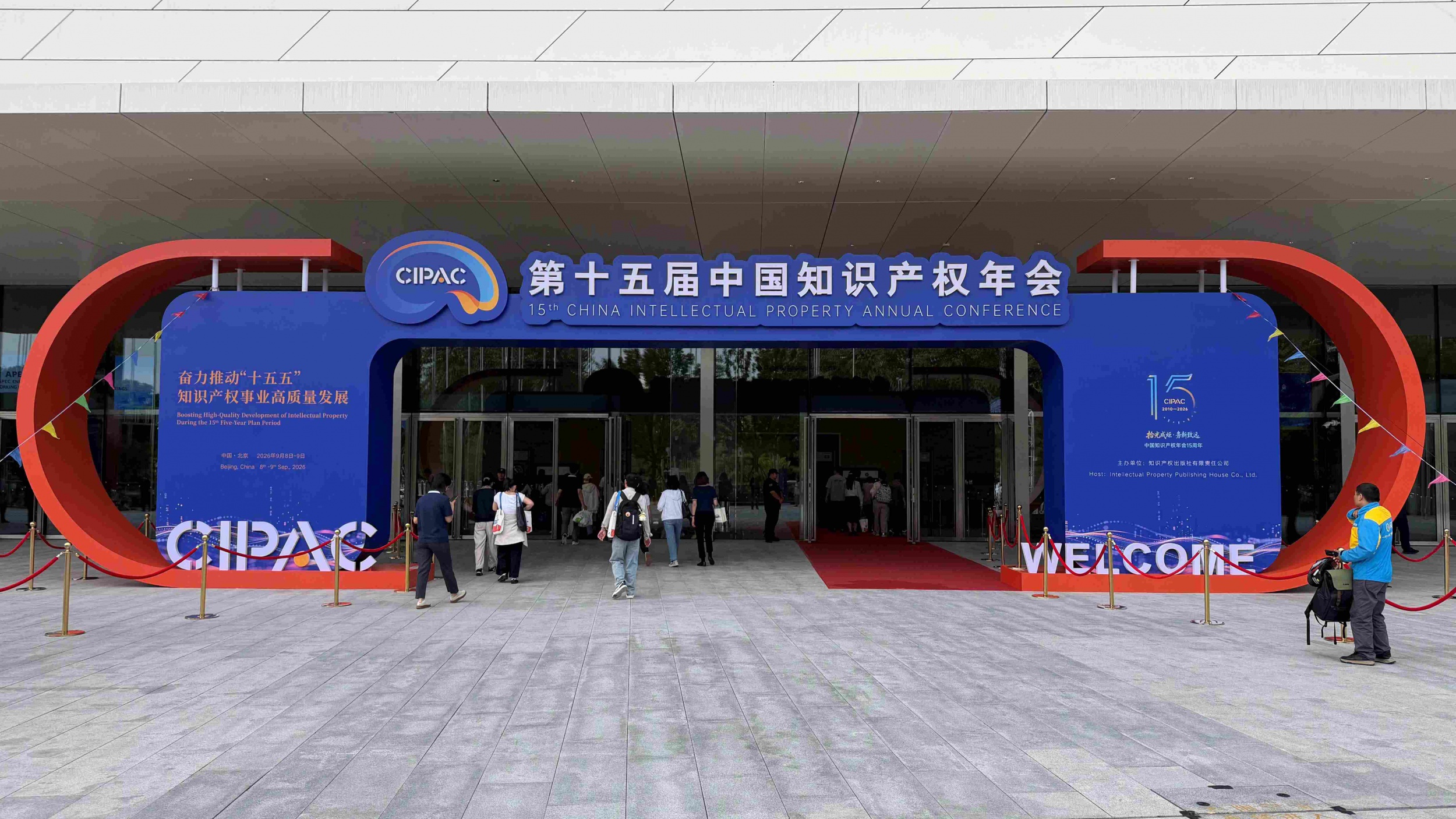
top Linking the Globe, Empowering Peers | IPspeedy Attends the 15th Intellectual Property Annual Conference
-
Planning to Protect Your Invention Abroad? Join WIPO's Free PCT Training for Innovators Across Tamil Nadu
-
Current Account Becomes WIPO Wallet
-
UPC Unfiltered, by Willem Hoyng - UPC Decisions Week 40, 2026

Top
Book Your Free Consultation


Phone / WhatsApp / WeChat

Room 220, 2nd Floor, Building E Bantian International Center
Huancheng South Road, Bantian Street Longgang District, Shenzhen, China
Talk to us
Clarify your questions or request a quote regarding our services. Please fill out the form, and you will be contacted soon.

IPS Global Solutions INC (DBA IPspeedy)
Your Trusted Worldwide IP Partner
Copyright © 2026 Pengzhiyun Intellectual Property
IPspeedy is the international operating name of Pengzhiyun Intellectual Property.
Pengzhiyun Intellectual Property
Action builds careers; sharing creates the future.


Follow Our TikTok
✅ Real case victories and success stories
✅ Latest IP market trends and analysis
✅ Practical knowledge and industry updates
Scan to stay informed and ahead of the curve.
Follow Our TikTok
✅ Real case victories and success stories
✅ Latest IP market trends and analysis
✅ Practical knowledge and industry updates
Scan to stay informed and ahead of the curve.
Copyright © 2026 Pengzhiyun Intellectual Property
IPspeedy is the international operating name of Pengzhiyun Intellectual Property.
