

Country/Region: Australia
Competent Authority: IP Australia
Official Website: https://www.ipaustralia.gov.au
Eligible Applicants: Australian enterprises; foreign enterprises; individual applicants;
*Foreign applicants are generally required to submit applications through a local agent.
Classification System: Australia uses the Nice Classification (45 classes in total); multi-class applications are permitted.
Required Application Materials:
Generally, the following information is required:
Trademark representation (image);
Applicant's name and address;
Classes of goods or services;
Registration Timeline: Approximately 7–9 months to complete registration.
Validity Period: 10 years (calculated from the date of registration); renewable every 10 years, with no limit on the number of renewals.


News

Methodology for Estimating the Scale and Cost of IP Infringement
2026-10-30 08:59:17
Click:
The UK Intellectual Property Office (IPO) published on October 28, 2026 a new methodology for estimating the scale and cost of intellectual property infringement in the UK. The study, commissioned from Frontier Economics, responds to a recognized evidence problem: existing studies use incomparable methods and scopes, making it hard to combine results or apply them to UK policy, enforcement and resource-allocation decisions. The framework is designed as a flexible tool that can be iterated as evidence improves.
The model focuses on UK domestic consumption of infringing products, with two core infringement types. Counterfeit products are unauthorized copies of physical goods imitating branded items - typically violating trademarks and design rights - in sectors such as clothing, cosmetics, electronics and pharmaceuticals. Digital piracy covers unauthorized downloading, streaming or sharing of music, film, TV, live sports, games, software and e-publications. A residual category of wider IP infringement, including unlicensed use of patented technology, source-code misappropriation and trade secret theft, is recognized as economically significant but not yet quantifiable with available data.
Methodologically, the model runs in four modules. Prevalence is estimated two ways: an import-based approach built on the OECD's GTRIC methodology using 2016 EU-wide customs seizure data calibrated on a 27-percent fixed point for footwear imports from China, and a consumption-based approach using the IPO's Counterfeit Goods Research Survey of 5,000 UK adults across six product categories, with the Online Copyright Infringement tracker (13th wave) supplying piracy figures. Displacement rates - how far infringing purchases substitute for legitimate sales - come from consumer survey responses, split into high- and low-quality counterfeit tiers at a 30-percent price threshold. Direct costs cover rights holders' monitoring, enforcement and lost sales, consumer losses and public-sector costs, while a macroeconomic module estimates impacts on GVA, employment and tax revenues.
The authors stress that the methods are deliberately conservative and likely understate prevalence and costs; import- and consumption-based estimates are presented as a range rather than a single figure. Recommendations are staged: short-term work on UK-specific seizure adjustments and public-cost estimates; medium-term expansion of survey coverage and refinement of displacement effects; and long-term broadening of product coverage and development of investment-impact modules. For rights holders and enforcement agencies, the framework promises a common yardstick for gauging where infringement inflicts the greatest economic harm - and for targeting policy responses accordingly.
Author:
UK Intellectual Prop
From:
GOV.UK / UK Intellectual Property Office
新闻推荐
recommendation




Article recommendation
-

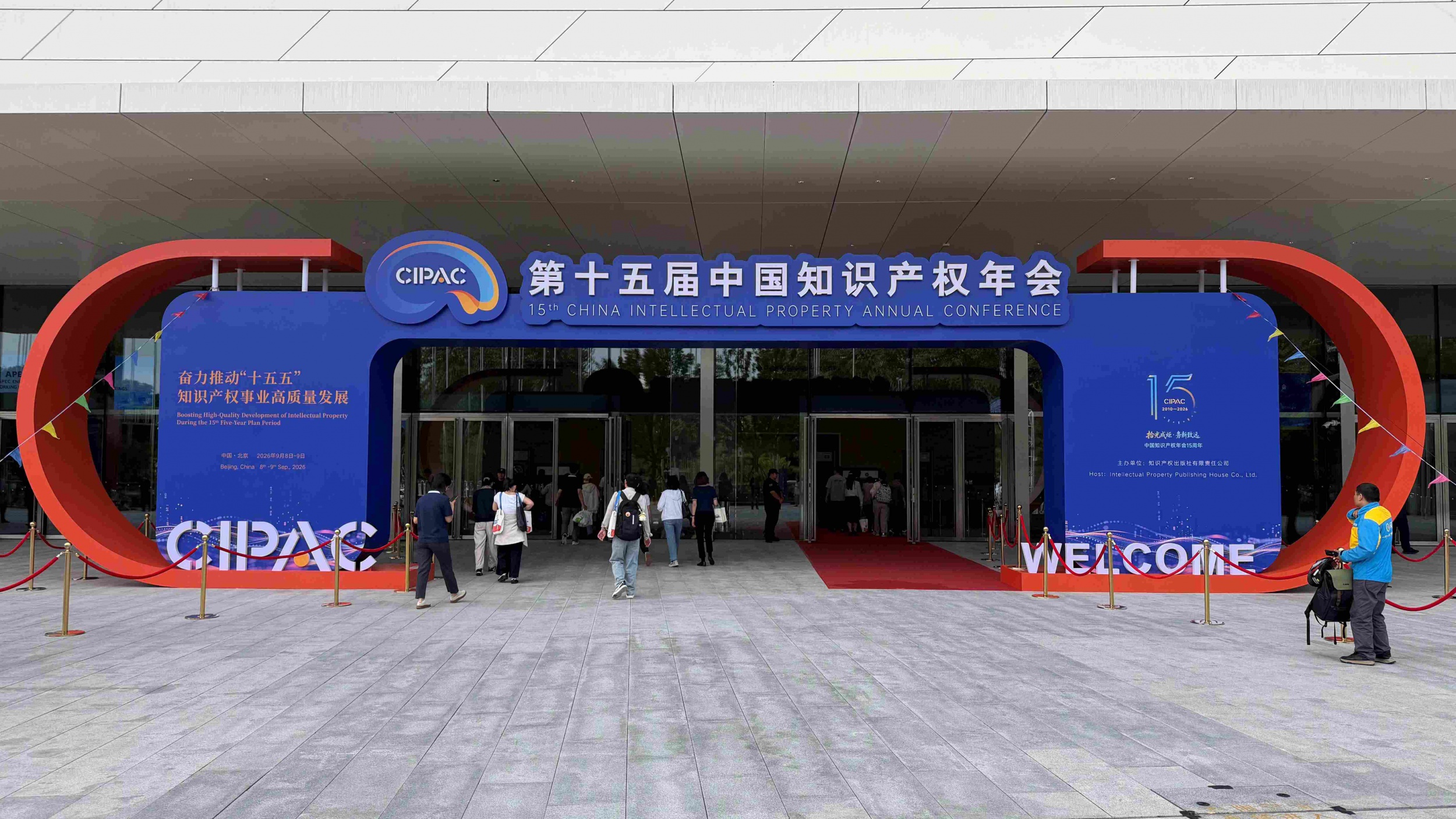
top Linking the Globe, Empowering Peers | IPspeedy Attends the 15th Intellectual Property Annual Conference
-
Jittima Announces 'DIP ONE' Policy to Upgrade Services, Strengthen Protection and Create IP Value
-
Methodology for Estimating the Scale and Cost of IP Infringement
-
UPC Unfiltered, by Willem Hoyng - UPC Decisions Week 43, 2026

Top

IPS Global Solutions INC (DBA IPspeedy)
Your Trusted Worldwide IP Partner
Copyright © 2026 Pengzhiyun Intellectual Property
IPspeedy is the international operating name of Pengzhiyun Intellectual Property.
Pengzhiyun Intellectual Property
Action builds careers; sharing creates the future.

Follow Our TikTok
✅ Real case victories and success stories
✅ Latest IP market trends and analysis
✅ Practical knowledge and industry updates
Scan to stay informed and ahead of the curve.
Follow Our TikTok
✅ Real case victories and success stories
✅ Latest IP market trends and analysis
✅ Practical knowledge and industry updates
Scan to stay informed and ahead of the curve.
Copyright © 2026 Pengzhiyun Intellectual Property
IPspeedy is the international operating name of Pengzhiyun Intellectual Property.
