

IPS Global Solutions INC (DBA IPspeedy)
Your Trusted Worldwide IP Partner
 English
-
 中文
中文 -
English


Country/Region: Australia
Competent Authority: IP Australia
Official Website: https://www.ipaustralia.gov.au
Eligible Applicants: Australian enterprises; foreign enterprises; individual applicants;
*Foreign applicants are generally required to submit applications through a local agent.
Classification System: Australia uses the Nice Classification (45 classes in total); multi-class applications are permitted.
Required Application Materials:
Generally, the following information is required:
Trademark representation (image);
Applicant's name and address;
Classes of goods or services;
Registration Timeline: Approximately 7–9 months to complete registration.
Validity Period: 10 years (calculated from the date of registration); renewable every 10 years, with no limit on the number of renewals.
News

Understanding the European Unitary Patent in One Article: A New Choice for Multi-Country Protection After Grant~
2025-12-10 10:18:03
Click:
What is the European Unitary Patent?
The European Unitary Patent, more accurately termed the 'European patent with unitary effect,' is essentially an independent step taken aftera traditional European patent has been granted (i.e., after the grant fees are paid).
Important Note!
It is not a standalone type of patent that can be applied for directly, but rather an 'upgrade option' available after grant.
How does it work?
Through a specific procedure, a 'request for unitary effect' is filed separately with the EPO, along with payment of the 'Unitary Patent annual fee.' This transforms the patent into a single right that automatically takes effect in all participating countries and is managed uniformly.
The system is effective in the following countries: Germany, France, Italy, Portugal, Netherlands, Belgium, Luxembourg, Denmark, Sweden, Finland, Austria, Bulgaria, Lithuania, Estonia, Slovenia, Latvia, and Malta.
Traditional European Patent vs. European Unitary Patent: What's the Difference?
Comparison Dimensions | Traditional European Patent | European Unitary Patent |
Effective | Decentralized Validation: Requires processing in each target country within 3 months | Unified Automatic Validation: One request, automatic validity in the country of application |
Time period | Decentralized Management: Requires separate management with the patent office of each country of effect | Unified Management: Only requires a single annual fee to the EPO, significantly reducing administrative burden and complex management costs. |
The traditional European patent requires going through validation procedures and paying annual fees separately in each target country! After 'upgrading' to the Unitary Patent, a single request makes it effective in all participating countries with one click, and annual fees are managed uniformly!
Significantly Reduces Costs and Simplifies Processes:
It eliminates translation costs, local attorney fees, and official fees associated with validating in each country individually. It also removes the administrative burden of subsequently paying annual fees to multiple national patent offices.
Enables Centralized Enforcement:
Litigation through the unified court (Unified Patent Court - UPC) can resolve patent disputes in multiple participating countries in a single proceeding, avoiding the costs and risks of conflicting outcomes from parallel lawsuits in different countries.
When should you choose the Unitary Patent?
Choosing the Unitary Patent is a strategic decision, depending on your business layout and patent situation.
1. Core markets are concentrated in Unitary Patent participating countries.
2. The cost-saving effect is most significant when your product plans to enter markets in at least 4 or more EU member states.
3. Pursuing administrative efficiency: When you want to greatly simplify subsequent administrative tasks like fee payments and recordals, and prefer a single point of management for multi-country rights.
Conclusion:
Statistics show that since the new system began operation, a significant proportion of granted European patent holders have chosen the Unitary Patent. Its core value lies in using a defined, controllable one-time cost and procedure to obtain efficient protection and centralized management in a broad market. It is particularly suitable for innovators with high-quality patents and market ambitions spanning multiple EU countries.
Author:
Shenzhen Pengzhiyun Intellectual Property Service
新闻推荐
recommendation




Article recommendation
-
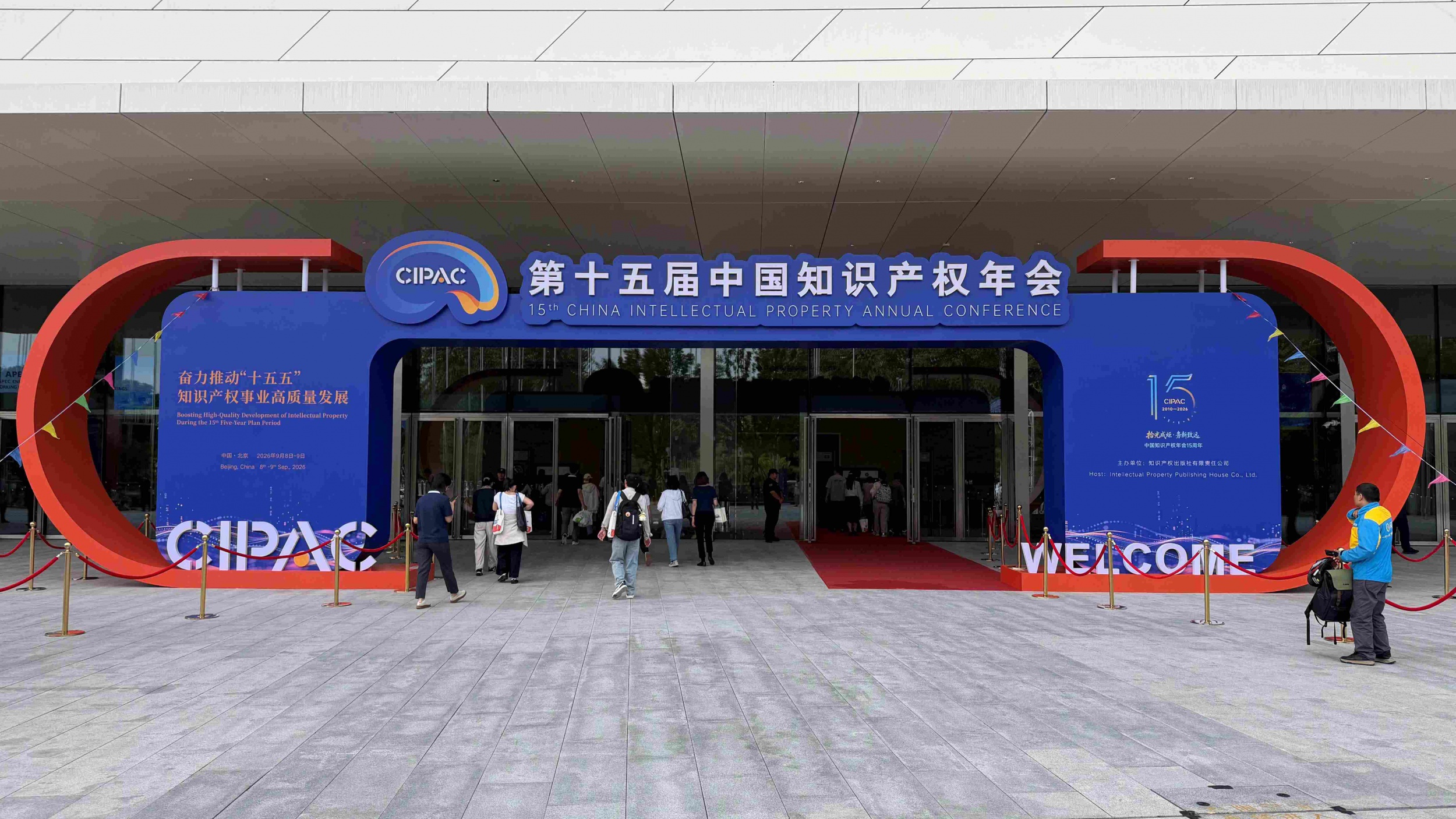
top Linking the Globe, Empowering Peers | IPspeedy Attends the 15th Intellectual Property Annual Conference
-
IPOS Update on IP/IT Dispute Resolution in Singapore: August-September 2026
-
Latest Trends in Australian Intellectual Property Applications
-
UPC Unfiltered, by Willem Hoyng – UPC Decisions Week 38, 2026

Top
Book Your Free Consultation


Phone / WhatsApp / WeChat

Room 220, 2nd Floor, Building E Bantian International Center
Huancheng South Road, Bantian Street Longgang District, Shenzhen, China
Talk to us
Clarify your questions or request a quote regarding our services. Please fill out the form, and you will be contacted soon.

IPS Global Solutions INC (DBA IPspeedy)
Your Trusted Worldwide IP Partner
Copyright © 2026 Pengzhiyun Intellectual Property
IPspeedy is the international operating name of Pengzhiyun Intellectual Property.
Pengzhiyun Intellectual Property
Action builds careers; sharing creates the future.

Follow Our TikTok
✅ Real case victories and success stories
✅ Latest IP market trends and analysis
✅ Practical knowledge and industry updates
Scan to stay informed and ahead of the curve.
Follow Our TikTok
✅ Real case victories and success stories
✅ Latest IP market trends and analysis
✅ Practical knowledge and industry updates
Scan to stay informed and ahead of the curve.
Copyright © 2026 Pengzhiyun Intellectual Property
IPspeedy is the international operating name of Pengzhiyun Intellectual Property.
