

IPS Global Solutions INC (DBA IPspeedy)
Your Trusted Worldwide IP Partner
 English
-
 中文
中文 -
English


Country/Region: Australia
Competent Authority: IP Australia
Official Website: https://www.ipaustralia.gov.au
Eligible Applicants: Australian enterprises; foreign enterprises; individual applicants;
*Foreign applicants are generally required to submit applications through a local agent.
Classification System: Australia uses the Nice Classification (45 classes in total); multi-class applications are permitted.
Required Application Materials:
Generally, the following information is required:
Trademark representation (image);
Applicant's name and address;
Classes of goods or services;
Registration Timeline: Approximately 7–9 months to complete registration.
Validity Period: 10 years (calculated from the date of registration); renewable every 10 years, with no limit on the number of renewals.
News

Attention Beauty Companies! The Brazil Market 'Boom' Has Arrived, But Don't Ignore the Intellectual Property 'Undercurrents'!
2025-10-20 10:33:07
Click:
The 'Boom' in Brazil's Beauty Market is Here
The Intellectual Property 'Undercurrents' Cannot Be Ignored!
China's Beauty Market: A Brief Overview
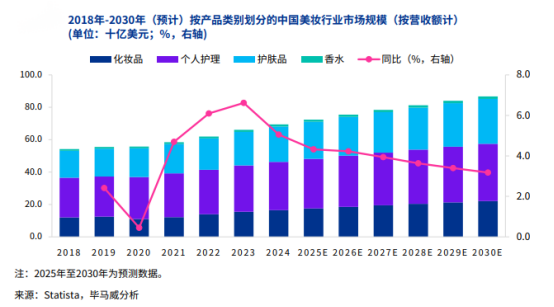
China is the world's largest beauty market. According to Statista data from February 2025, its market size (by revenue) grew from $54.23 billion in 2018 to $69.41 billion in 2024 (CAGR 4.2%). It is projected to reach $72.41 billion in 2025, with an expected annual growth rate of 3.8% from 2024 to 2030, reaching $86.72 billion by 2030.
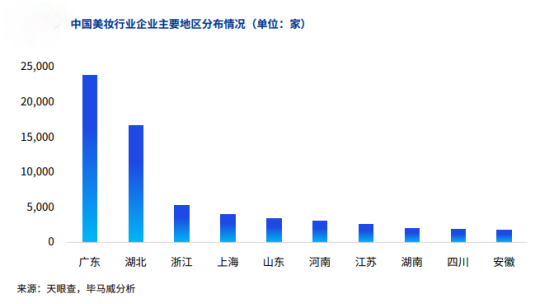
Data from Tianyancha shows that as of mid-October 2025, there are over 77,000 cosmetics-related enterprises in China, primarily concentrated in economically developed regions and industrial hubs. Guangdong leads with 23,856 enterprises, followed closely by Hubei with 16,611.
Analysis of Chinese Cosmetics Export Trends
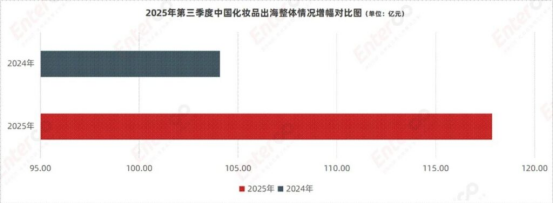
According to data from China's General Administration of Customs, China's total cosmetics exports reached RMB 11.785 billion in the third quarter of 2025, a year-on-year increase of 13.24%, demonstrating a steady and positive development trend.
For Chinese cosmetics exports, the United States remains the top destination. Russia showed a significant increase in share last quarter.
Beyond the often-mentioned Southeast Asian market, the Latin American region has performed particularly well, emerging as a new blue ocean. In Q3 2025, China's cosmetics exports to Latin America totaled RMB 1.085 billion, a year-on-year increase of 29.63%.
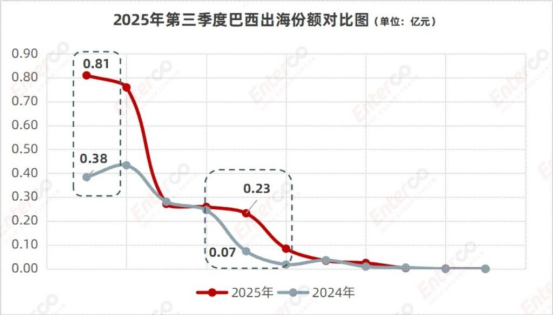
Within this region, the Brazil market stands out. Last quarter, China's cosmetics exports to Brazil reached RMB 248 million, a remarkable year-on-year surge of 66.66%.
The Brazilian Market: A High-Value Blue Ocean in Latin American Cosmetics
As the most populous country in Latin America with approximately 220 million people, Brazil offers a vast consumer base with strong purchasing intent. Its advantageous geographical location, featuring world-class ports like Rio de Janeiro, coupled with high internet penetration rates, creates ideal foundational conditions for cross-border e-commerce.
More importantly, within the Brazilian cosmetics market, consumer preference for high-cost-performance products and high acceptance of imported brands make it a preferred strategic destination for Chinese beauty brands expanding overseas.
Regarding product categories, demand in Brazil for Chinese beauty products is diverse. In Q3 2025, exports of [Other beauty or makeup and skincare products] totaled RMB 80.94 million, a year-on-year increase of 110.91%; exports of [Manicure or pedicure cosmetics] reached RMB 23.24 million, a surge of 215.48%, indicating significant potential in niche segments.
The Urgency of Intellectual Property Strategy
However, behind the favorable conditions of the Brazilian market lie intellectual property challenges that cannot be ignored. Brazil's National Health Surveillance Agency (ANVISA) has a relatively strict regulatory system for cosmetics, with complex registration and filing processes. Intellectual property protection is a primary barrier for companies entering the market.
In Brazil, the risks of IP infringement are considerable. As the recognition of Chinese cosmetics brands grows in the Brazilian market, issues like trademark squatting and patent disputes are increasingly emerging. Brazil employs a first-to-file trademark system, meaning the first registrant typically gains legal protection. Many Chinese brands, having failed to plan their IP strategy in advance, face obstacles in market expansion.
Conclusion
The potential of the Brazilian market is fully supported by the data, and the impressive performance in Q3 2025 is just the beginning of the thriving presence of Chinese cosmetics in Latin America.
Market opportunities coexist with intellectual property risks. For Chinese cosmetics companies, proactively establishing a solid intellectual property strategy is a prerequisite for stable development in the Brazilian market.
Welcome to inquire.
Author:
Shenzhen Pengzhiyun Intellectual Property Service
新闻推荐
recommendation
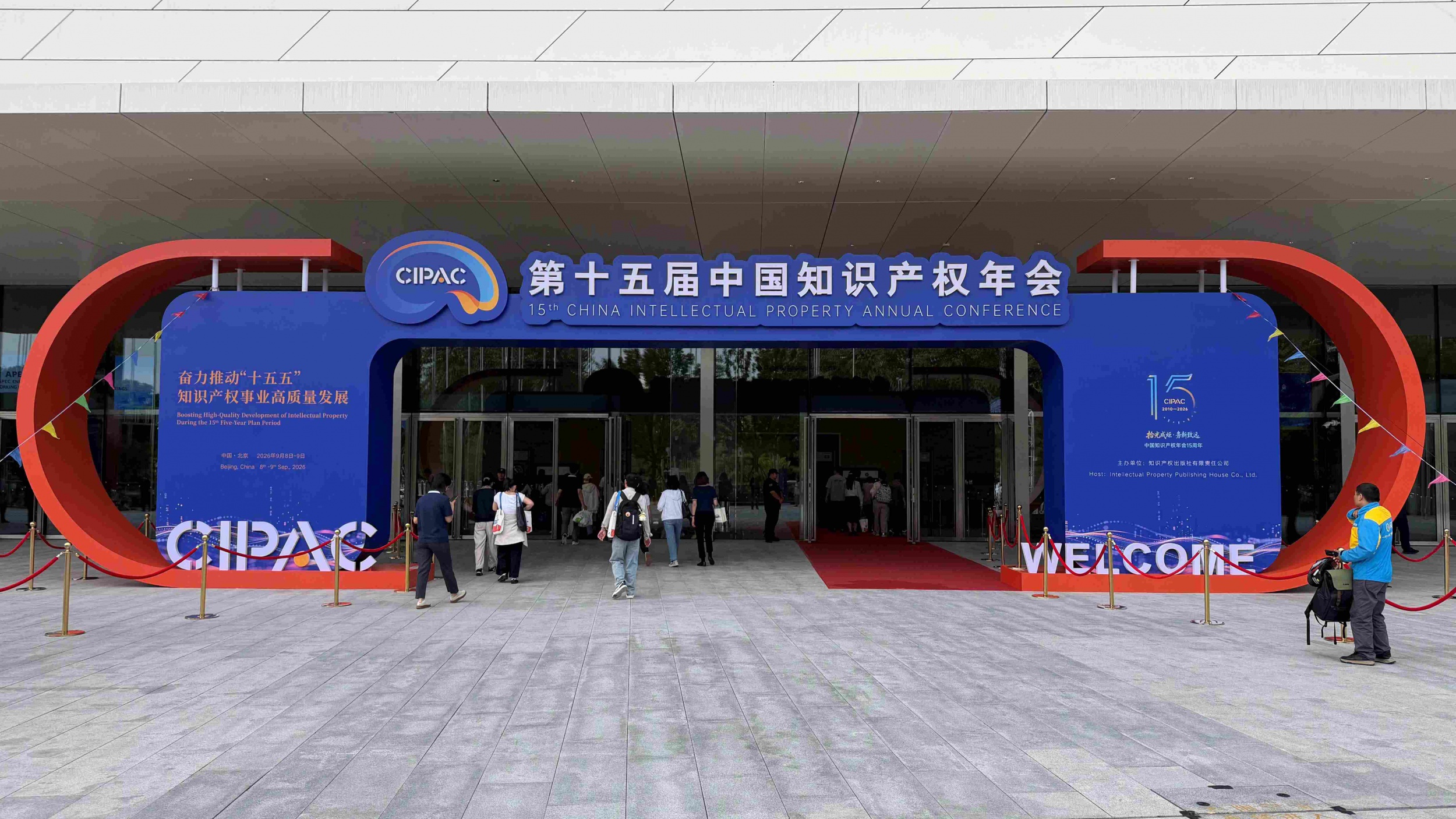




Article recommendation
-
top Linking the Globe, Empowering Peers | IPspeedy Attends the 15th Intellectual Property Annual Conference
-
IPOS Update on IP/IT Dispute Resolution in Singapore: August-September 2026
-
Latest Trends in Australian Intellectual Property Applications
-
UPC Unfiltered, by Willem Hoyng – UPC Decisions Week 38, 2026

Top
Book Your Free Consultation


Phone / WhatsApp / WeChat

Room 220, 2nd Floor, Building E Bantian International Center
Huancheng South Road, Bantian Street Longgang District, Shenzhen, China
Talk to us
Clarify your questions or request a quote regarding our services. Please fill out the form, and you will be contacted soon.

IPS Global Solutions INC (DBA IPspeedy)
Your Trusted Worldwide IP Partner
Copyright © 2026 Pengzhiyun Intellectual Property
IPspeedy is the international operating name of Pengzhiyun Intellectual Property.
Pengzhiyun Intellectual Property
Action builds careers; sharing creates the future.

Follow Our TikTok
✅ Real case victories and success stories
✅ Latest IP market trends and analysis
✅ Practical knowledge and industry updates
Scan to stay informed and ahead of the curve.
Follow Our TikTok
✅ Real case victories and success stories
✅ Latest IP market trends and analysis
✅ Practical knowledge and industry updates
Scan to stay informed and ahead of the curve.
Copyright © 2026 Pengzhiyun Intellectual Property
IPspeedy is the international operating name of Pengzhiyun Intellectual Property.
