

IPS Global Solutions INC (DBA IPspeedy)
Your Trusted Worldwide IP Partner
 English
-
 中文
中文 -
English


Country/Region: Australia
Competent Authority: IP Australia
Official Website: https://www.ipaustralia.gov.au
Eligible Applicants: Australian enterprises; foreign enterprises; individual applicants;
*Foreign applicants are generally required to submit applications through a local agent.
Classification System: Australia uses the Nice Classification (45 classes in total); multi-class applications are permitted.
Required Application Materials:
Generally, the following information is required:
Trademark representation (image);
Applicant's name and address;
Classes of goods or services;
Registration Timeline: Approximately 7–9 months to complete registration.
Validity Period: 10 years (calculated from the date of registration); renewable every 10 years, with no limit on the number of renewals.
News

Tapping into the Latin American "Blue Ocean" Market? Lacking This Makes It All a Waste of Effort!
2025-11-05 10:42:58
Click:
Subtitle: Unlocking the Latin American 'Blue Ocean' Market: It's Not About Capital, It's About Having a Trademark Agent Who 'Understands the Local Market'!
Introduction: The Golden Ticket
This wave of 'money-making opportunities' in Latin America requires a trademark as the key ticket. Let's take a look!
Market Context: Why Latin America?
Is the domestic market too competitive with no profits?
Finding it hard to secure a position in markets like the US and EU?
Shifting from 'traditional markets' to the 'Latin American market,' Latin America has already become a 'new growth engine' for Chinese companies: approximately 60,000 Brazilian trademark applications per year originate from Chinese enterprises; E-commerce growth in countries like Brazil and Mexico exceeds 25%. The consumer demand from 200 million people is ripe for the picking, yet 90% of companies stumble at the 'trademark hurdle'.
Common Pitfalls & Cultural Missteps
l Unfamiliar with local preferences? Using 'dragon patterns' in Peru leads to consumer rejection.
l Haven't mastered examination rules? Trademarks get rejected for 'lack of regional adaptability'.
l Translation errors? Translating 'baby clothes' into a word meaning 'old clothes' in Argentine slang, completely ruining brand image.
Part 1: How to Overcome Regional Cultural Barriers?
Actually, Latin American trademarks aren't that difficult! Targeting 'local preferences' is the key to rapid entry.
l Brazil: Football, rainforest elements = 'vitality', suitable for sports and outdoor brands.
l Mexico: Marigolds, Aztec calendar symbols = 'cultural identity', ideal for food, cultural, and creative products.
l Peru: Alpaca, quinoa patterns = 'natural and trustworthy', perfect for maternal/child products and health supplements.
Part 2: Three Steps to Secure Your Latin American Trademark
1. Style Adaptation: Customize symbols by country/industry (e.g., add football motifs for sports products in Brazil; use marigold prints for food products in Mexico). Avoid cultural conflicts and enhance trademark recognition.
2. Compliance Review: Familiarity with the nuances of each country's trademark law helps avoid risks like 'similar existing trademarks' or 'prohibited elements', ensuring a higher approval rate.
3. Expedited Registration: Master the examination cycles and key process points in various Latin American countries. Follow up on the application progress throughout, potentially obtaining registration in as little as 3 months – cutting the time in half compared to self-filing.
Part 3: Avoid These Critical Mistakes!
l Cultural Mismatch: Using a 'purple logo' in Chile, where locals associate it with 'mourning', makes products unsellable.
l Sloppy Translation: Translating 'phone case' into a Colombian dialect word for 'roof' leaves consumers completely confused.
l Insufficient Preparation: Failing to check for 'similar trademarks' in Argentina beforehand leads to rejection mid-application, wasting a full 3 months.
Conclusion: Your Gateway to Latin America
Scan the code to get guidance on navigating the 'Latin American' market successfully.
Author:
Shenzhen Pengzhiyun Intellectual Property Service
新闻推荐
recommendation
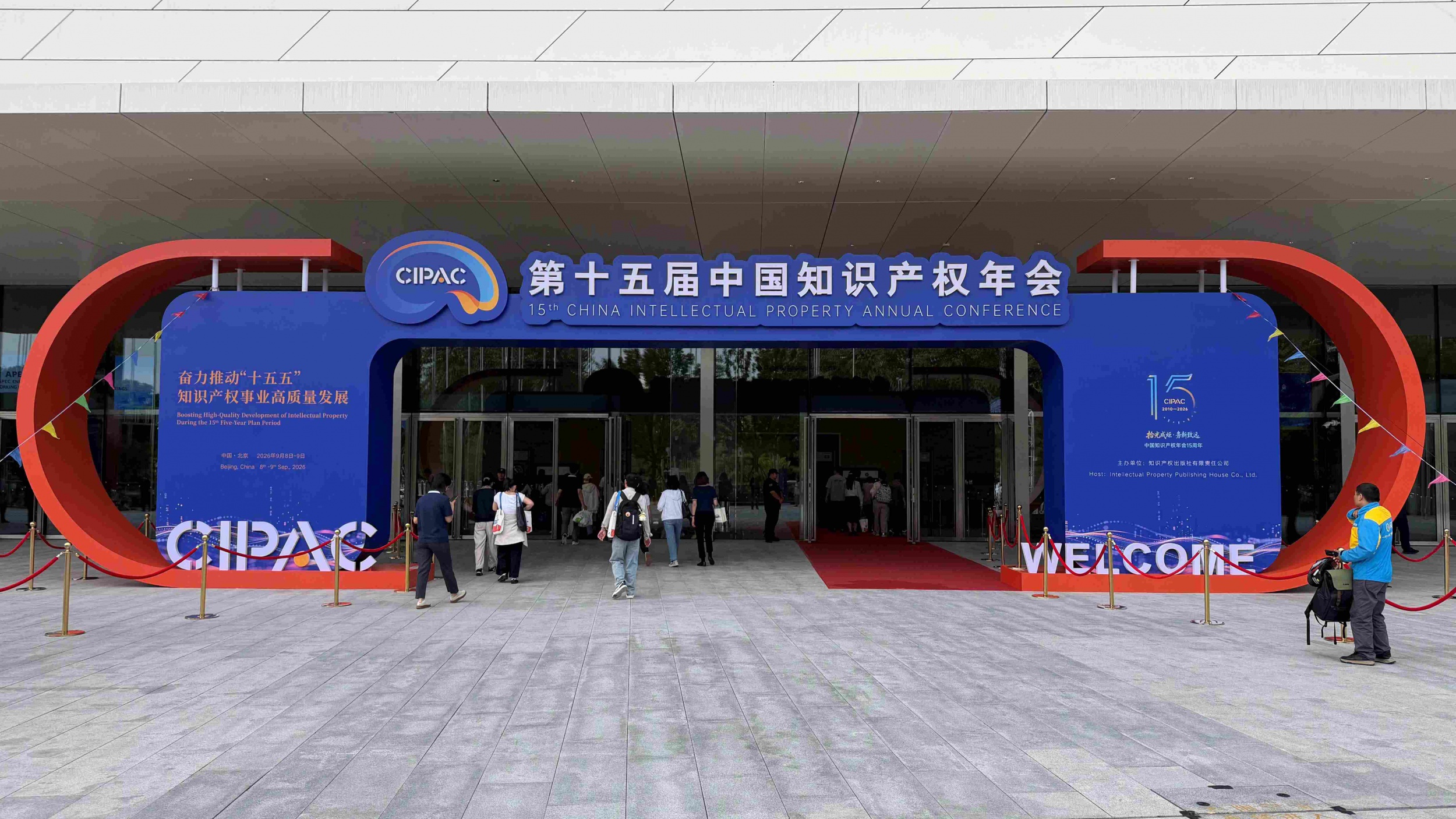




Article recommendation
-
top Linking the Globe, Empowering Peers | IPspeedy Attends the 15th Intellectual Property Annual Conference
-
IPOS Update on IP/IT Dispute Resolution in Singapore: August-September 2026
-
Latest Trends in Australian Intellectual Property Applications
-
UPC Unfiltered, by Willem Hoyng – UPC Decisions Week 38, 2026

Top
Book Your Free Consultation


Phone / WhatsApp / WeChat

Room 220, 2nd Floor, Building E Bantian International Center
Huancheng South Road, Bantian Street Longgang District, Shenzhen, China
Talk to us
Clarify your questions or request a quote regarding our services. Please fill out the form, and you will be contacted soon.

IPS Global Solutions INC (DBA IPspeedy)
Your Trusted Worldwide IP Partner
Copyright © 2026 Pengzhiyun Intellectual Property
IPspeedy is the international operating name of Pengzhiyun Intellectual Property.
Pengzhiyun Intellectual Property
Action builds careers; sharing creates the future.

Follow Our TikTok
✅ Real case victories and success stories
✅ Latest IP market trends and analysis
✅ Practical knowledge and industry updates
Scan to stay informed and ahead of the curve.
Follow Our TikTok
✅ Real case victories and success stories
✅ Latest IP market trends and analysis
✅ Practical knowledge and industry updates
Scan to stay informed and ahead of the curve.
Copyright © 2026 Pengzhiyun Intellectual Property
IPspeedy is the international operating name of Pengzhiyun Intellectual Property.
