

IPS Global Solutions INC (DBA IPspeedy)
Your Trusted Worldwide IP Partner
 English
-
 中文
中文 -
English


Country/Region: Australia
Competent Authority: IP Australia
Official Website: https://www.ipaustralia.gov.au
Eligible Applicants: Australian enterprises; foreign enterprises; individual applicants;
*Foreign applicants are generally required to submit applications through a local agent.
Classification System: Australia uses the Nice Classification (45 classes in total); multi-class applications are permitted.
Required Application Materials:
Generally, the following information is required:
Trademark representation (image);
Applicant's name and address;
Classes of goods or services;
Registration Timeline: Approximately 7–9 months to complete registration.
Validity Period: 10 years (calculated from the date of registration); renewable every 10 years, with no limit on the number of renewals.
News

Comprehensive Comparison of China vs. US Trademark Oppositions: Key Differences Essential for Overseas Market Expansion
2025-10-24 10:50:04
Click:
In the globalized business environment, trademarks have become one of the most important intangible assets for enterprises. Whether focusing on the domestic market or expanding overseas, understanding the trademark protection systems of different countries is crucial. Today, we analyze the key differences in the trademark opposition systems between China and the United States to help businesses navigate brand strategy more effectively.
Part 1: Core Differences at a Glance
We can quickly grasp the main differences between Chinese and US trademark oppositions through a table:
Comparison Aspect | China Trademark Opposition | US Trademark Opposition |
Opposition Publication Period | 3 months from the preliminary approval announcement date | 30 days from the publication date (extendable) |
Opposer Eligibility | Any person can file | Any person can file |
Accepting Authority | China National Intellectual Property Administration (CNIPA) (Trademark Office) | Trademark Trial and Appeal Board (TTAB) under the United States Patent and Trademark Office (USPTO) |
Procedural Characteristics | Primarily documentary review; relatively simpler process | Adversarial, similar to a 'mini-trial'; complex and formal |
Response Deadline | Within 30 days of receiving the notice | Within 40 days of receiving the notice of opposition |
Typical Processing Time | ~12 months (can be extended by 6 months) | Longer, typically 1-2 years or more |
Consequence of Non-Response | Does not affect the Trademark Office's examination and decision | Deemed a default; opposition likely succeeds |
Appeal Route | Apply for review with the Trademark Review and Adjudication Board -> File a lawsuit with the Beijing Intellectual Property Court | File a lawsuit in Federal Court |
Part 2: Detailed Procedural Flow Differences
1. Chinese Opposition Procedure - Relatively Centralized and Efficient:
CNIPA (Trademark Office) examination -> Issuance of a decision -> If dissatisfied, apply for review with the Trademark Review and Adjudication Board -> If dissatisfied with the review decision, file a lawsuit with the Beijing Intellectual Property Court.
2. US Opposition Procedure - More Adversarial:
The entire process takes place before the TTAB, including stages like discovery, testimony, and oral hearings. It more closely resembles a formal court litigation, requiring higher legal expertise.
Part 3: Comparison of Common Opposition Grounds
1. Primary Grounds for Opposition in China:
l Violation of prohibited clauses in the Trademark Law.
l Conflict with prior rights (well-known trademarks, design patents, copyrights, etc.).
l Lack of distinctiveness.
l Bad faith filing.
2. Primary Grounds for Opposition in the United States:
l Likelihood of confusion with a prior registered trademark or a trademark used but not registered.
l The mark is merely descriptive.
l The mark has become generic.
l Fraud.
Part 4: Practical Strategy Recommendations
1. For the Opposer (the party filing the opposition):
l Act Promptly: Closely monitor trademark gazettes. Especially in the US market, the publication period is short but extendable – timely action is needed.
l Prepare Solid Evidence: Evidence demonstrating trademark similarity, your prior use, reputation, and the likelihood of confusion.
l Assess Standing: While 'any person' can file in both countries, opposers with prior rights or a direct commercial interest typically have higher success rates.
2. For the Applicant (the party whose mark is opposed):
l Do Not Ignore the Response: Especially in the US, failure to respond within the deadline leads to abandonment of the application.
l Targeted Response: Carefully analyze the opposition grounds and rebut them point by point. Potential arguments include differences in goods/services, lack of similarity, and absence of likelihood of confusion.
l Flexible Approach: Explore resolutions such as limiting the scope of goods/services or proposing a coexistence agreement.
Conclusion:
The trademark opposition systems in China and the US exhibit significant differences in procedure, timelines, and legal requirements. Understanding these differences is crucial for corporate brand protection, especially against the backdrop of global operations. When facing a trademark opposition, it is advisable to fully understand the characteristics of each system, formulate appropriate response strategies, and seek professional assistance when necessary to effectively safeguard your rights.
Author:
Shenzhen Pengzhiyun Intellectual Property Service
新闻推荐
recommendation




Article recommendation
-
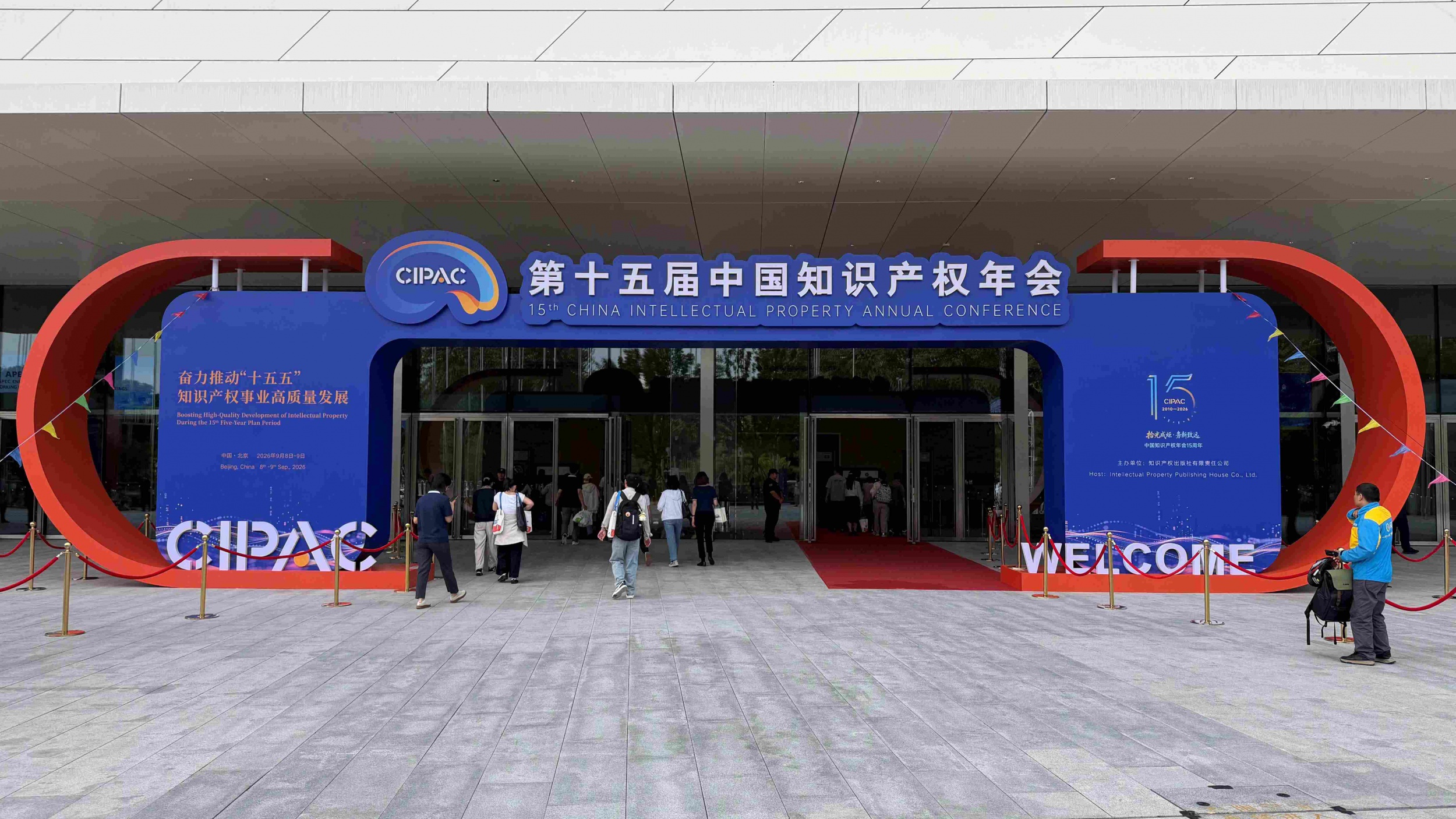
top Linking the Globe, Empowering Peers | IPspeedy Attends the 15th Intellectual Property Annual Conference
-
IPOS Update on IP/IT Dispute Resolution in Singapore: August-September 2026
-
Latest Trends in Australian Intellectual Property Applications
-
UPC Unfiltered, by Willem Hoyng – UPC Decisions Week 38, 2026

Top
Book Your Free Consultation


Phone / WhatsApp / WeChat

Room 220, 2nd Floor, Building E Bantian International Center
Huancheng South Road, Bantian Street Longgang District, Shenzhen, China
Talk to us
Clarify your questions or request a quote regarding our services. Please fill out the form, and you will be contacted soon.

IPS Global Solutions INC (DBA IPspeedy)
Your Trusted Worldwide IP Partner
Copyright © 2026 Pengzhiyun Intellectual Property
IPspeedy is the international operating name of Pengzhiyun Intellectual Property.
Pengzhiyun Intellectual Property
Action builds careers; sharing creates the future.

Follow Our TikTok
✅ Real case victories and success stories
✅ Latest IP market trends and analysis
✅ Practical knowledge and industry updates
Scan to stay informed and ahead of the curve.
Follow Our TikTok
✅ Real case victories and success stories
✅ Latest IP market trends and analysis
✅ Practical knowledge and industry updates
Scan to stay informed and ahead of the curve.
Copyright © 2026 Pengzhiyun Intellectual Property
IPspeedy is the international operating name of Pengzhiyun Intellectual Property.
