

IPS Global Solutions INC (DBA IPspeedy)
Your Trusted Worldwide IP Partner
 English
-
 中文
中文 -
English


Country/Region: Australia
Competent Authority: IP Australia
Official Website: https://www.ipaustralia.gov.au
Eligible Applicants: Australian enterprises; foreign enterprises; individual applicants;
*Foreign applicants are generally required to submit applications through a local agent.
Classification System: Australia uses the Nice Classification (45 classes in total); multi-class applications are permitted.
Required Application Materials:
Generally, the following information is required:
Trademark representation (image);
Applicant's name and address;
Classes of goods or services;
Registration Timeline: Approximately 7–9 months to complete registration.
Validity Period: 10 years (calculated from the date of registration); renewable every 10 years, with no limit on the number of renewals.
News

Mid-June 2026 Cross-Border E-Commerce Compliance Technology and Platform Dynamics Analysis
2026-06-22 00:00:00
Click:
I. TRO Rights Protection Data and Technical Risk Control Challenges
Core Data: From June 15–21, 2026, U.S. federal courts added 35+ new TRO cases, up 18% week-over-week, consistent with the rights protection cycle before the Prime Day promotion. Trademark infringement accounted for 55%, copyright infringement 40% (significant increase week-over-week), and patent infringement 5%.
Key Technical Changes and Challenges:
Case Sealing Rendering Monitoring and Early Warning Ineffective: Since May 2026, when U.S. trademark TRO cases fully implemented sealing policies, over 70% of new cases this week did not disclose defendant lists, rights details, or case documents. The traditional 'document keyword matching – store early warning' model has essentially become ineffective.
Technical Adaptation Recommendations: Establish multi-source data cross-verification mechanisms, combining platform infringement notices, fund movement data, and similar store case patterns for risk prediction. For high-frequency rights protection categories, establish a material copyright fingerprint database and complete image duplicate checking in advance.
Batch Evidence Collection Technology for Copyright Rights Protection Maturing: This week, copyright cases represented by Keith Law Firm accounted for over 60%, with the core model being 'sign independent artists – crawler captures infringing materials across all platforms – image recognition batch comparison – batch filing and litigation.' This model features low evidence collection costs and wide coverage, significantly increasing risk control pressure for铺货-type and POD (Print on Demand) model sellers.
Technical Adaptation Recommendations: Embed originality verification in the product listing process, connecting to copyright material library APIs. For categories such as clothing prints and decorative paintings, establish material traceability records and structured storage of authorization proof documents.
II. Platform Compliance Policy Technical Implementation Requirements
EU Customs New Policy Customs Clearance Data Adaptation: The EU Regulation (EU) 2026/382 will take effect on July 1, 2026. Core technical requirements include: all direct mail packages must pre-declare structured HS codes, product values, and recipient information; during the transition period, fixed tariffs will be charged by HS code dimension, and from November 2026, customs processing fees will be added.
Technical Adaptation Points: ERP systems need to upgrade HS code automatic verification and classification functions to match the EU's latest customs code database; connect to platform customs clearance data interfaces to achieve automatic order data declaration, avoiding manual entry errors; cost accounting modules need to add automatic tariff and customs fee calculation rules, adapting to cost differences between direct mail and overseas warehouse fulfillment models.
Platform Compliance System Upgrades and Seller-Side Adaptation: Temu has launched a product compliance system upgrade due to EU DSA rectification, requiring sellers to supplement CE certification, ROHS testing, product traceability, and other structured information. During the promotion period, automatic system inspection frequency doubles, and non-compliant products are automatically removed. Sellers need to complete digital archiving and batch uploading of product qualifications as soon as possible.
Domestic tax data reporting mechanism is being implemented, with major platforms reporting seller transaction data to tax authorities on a quarterly basis. Seller financial systems need to achieve compliant accounting and reporting of cross-border revenue to avoid tax risks caused by data inconsistencies.
III. Technical Operation Support Points During the Promotion Period
Prime Day System Peak Response: During the promotion period, order volume and traffic will multiply. Sellers need to complete stress testing of order systems, inventory synchronization systems, and customer service systems in advance to ensure system stability during peak periods. At the same time, optimize inventory synchronization mechanisms to avoid overselling.
Promotion Period Compliance Risk Control Upgrade: During the promotion period, platform infringement screening and compliance inspection algorithm thresholds are lowered, and violation detection rates increase significantly. Complete full-scale compliance verification of Listing keywords, product images, and detail page materials before the promotion to avoid store penalties during peak promotion periods.
Conclusion: Overall, cross-border e-commerce compliance competition is shifting to the technical front. Automated risk control, compliance verification systems, and digital customs clearance capabilities will become core infrastructure for sellers. We will continue to update cross-border compliance technology implementation practices and tool adaptation solutions.
Author:
Kdniao Community
From:
Kdniao Community (CSDN)
新闻推荐
recommendation




Article recommendation
-
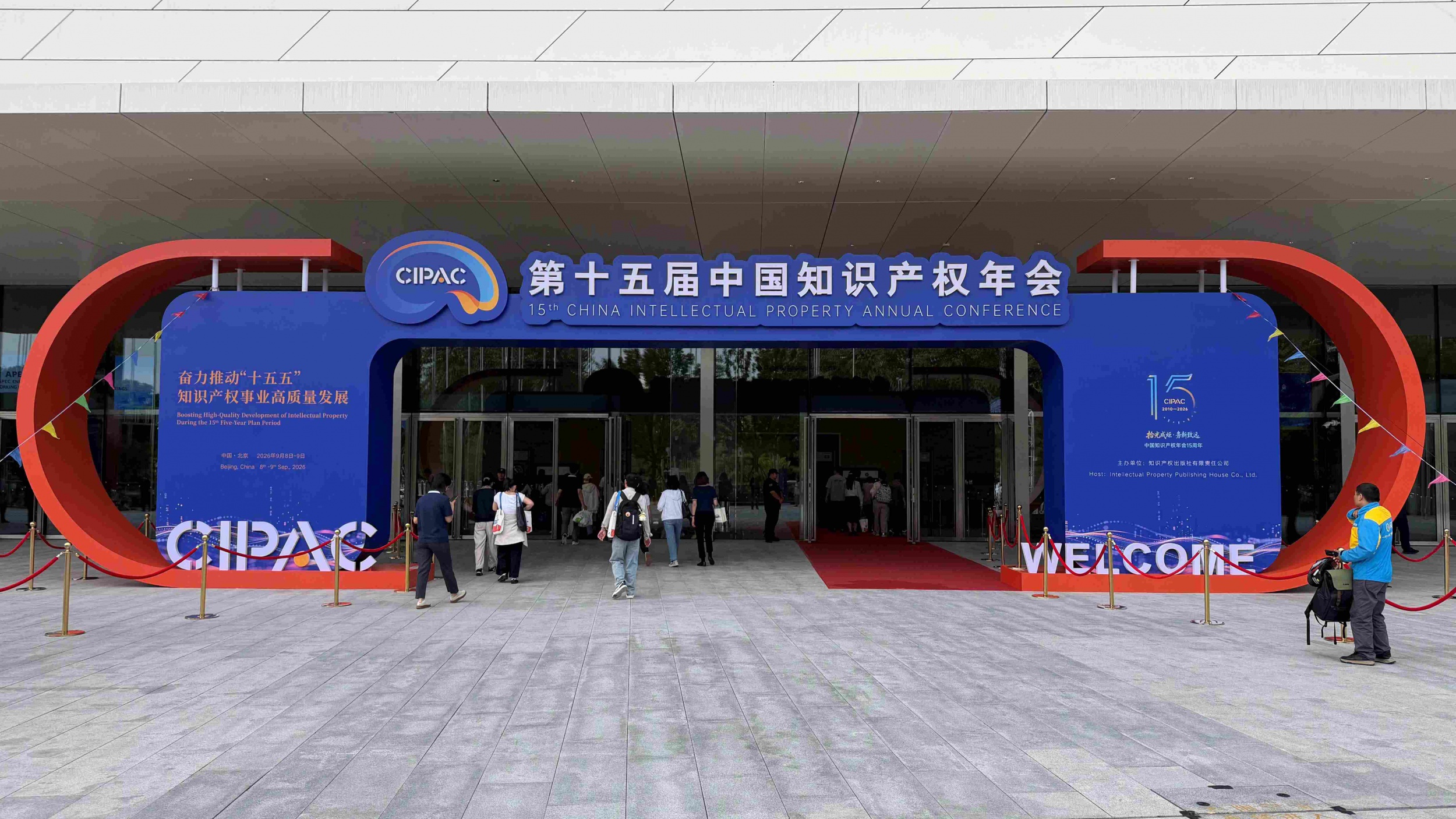
top Linking the Globe, Empowering Peers | IPspeedy Attends the 15th Intellectual Property Annual Conference
-
Planning to Protect Your Invention Abroad? Join WIPO's Free PCT Training for Innovators Across Tamil Nadu
-
Current Account Becomes WIPO Wallet
-
UPC Unfiltered, by Willem Hoyng - UPC Decisions Week 40, 2026

Top
Book Your Free Consultation


Phone / WhatsApp / WeChat

Room 220, 2nd Floor, Building E Bantian International Center
Huancheng South Road, Bantian Street Longgang District, Shenzhen, China
Talk to us
Clarify your questions or request a quote regarding our services. Please fill out the form, and you will be contacted soon.

IPS Global Solutions INC (DBA IPspeedy)
Your Trusted Worldwide IP Partner
Copyright © 2026 Pengzhiyun Intellectual Property
IPspeedy is the international operating name of Pengzhiyun Intellectual Property.
Pengzhiyun Intellectual Property
Action builds careers; sharing creates the future.


Follow Our TikTok
✅ Real case victories and success stories
✅ Latest IP market trends and analysis
✅ Practical knowledge and industry updates
Scan to stay informed and ahead of the curve.
Follow Our TikTok
✅ Real case victories and success stories
✅ Latest IP market trends and analysis
✅ Practical knowledge and industry updates
Scan to stay informed and ahead of the curve.
Copyright © 2026 Pengzhiyun Intellectual Property
IPspeedy is the international operating name of Pengzhiyun Intellectual Property.
